%2Ffit-in%2F250x250%2Fguide_websites%2F984%2Fimages%2Fmattdorseyflyfishingsquarecolor.png&w=1920&q=100)
/users/ea8f1358-de4d-4869-89ff-a604762fd7b0/ratecard/striper2.png)
%2F300x300%2Fusers%2Fea8f1358-de4d-4869-89ff-a604762fd7b0%2Fratecard%2Fstriper2.png&w=256&q=75)
%2F300x300%2Fusers%2Fea8f1358-de4d-4869-89ff-a604762fd7b0%2Fimages%2Frainbow-trout-fishing-georgia-2642.jpg&w=256&q=75)
%2F300x300%2Fusers%2Fea8f1358-de4d-4869-89ff-a604762fd7b0%2Fimages%2Fbig-rainbow-trout-ga-2571.jpg&w=256&q=75)
%2F300x300%2Fusers%2Fea8f1358-de4d-4869-89ff-a604762fd7b0%2Fimages%2Fsolitary-fishing-cornelia-2535.jpg&w=256&q=75)
%2F300x300%2Fusers%2Fea8f1358-de4d-4869-89ff-a604762fd7b0%2Fimages%2Fcornelia-fishing-rainbow-trout-2526.jpg&w=256&q=75)
%2F300x300%2Fusers%2Fea8f1358-de4d-4869-89ff-a604762fd7b0%2Fimages%2Ffishing-cornelia-2554.jpg&w=256&q=75)
%2F300x300%2Fusers%2Fea8f1358-de4d-4869-89ff-a604762fd7b0%2Fimages%2Fsea-trout-fishing-cornelia-2492.jpg&w=256&q=75)
%2F300x300%2Fusers%2Fea8f1358-de4d-4869-89ff-a604762fd7b0%2Fimages%2Ffishing-cornelia-2605.jpg&w=256&q=75)
%2F300x300%2Fusers%2Fea8f1358-de4d-4869-89ff-a604762fd7b0%2Fimages%2Fangler-rainbow-trout-ga-2611.jpg&w=256&q=75)
%2F300x300%2Fusers%2Fea8f1358-de4d-4869-89ff-a604762fd7b0%2Fimages%2Fcornelia-bluefish-catch-2564.jpg&w=256&q=75)
%2F300x300%2Fusers%2Fea8f1358-de4d-4869-89ff-a604762fd7b0%2Fimages%2Fimpressive-catch-cornelia-2913.jpg&w=256&q=75)
Expert-Guided Bass Fishing on Lake Lanier, GA
 Cornelia, GA
What you will be catching:
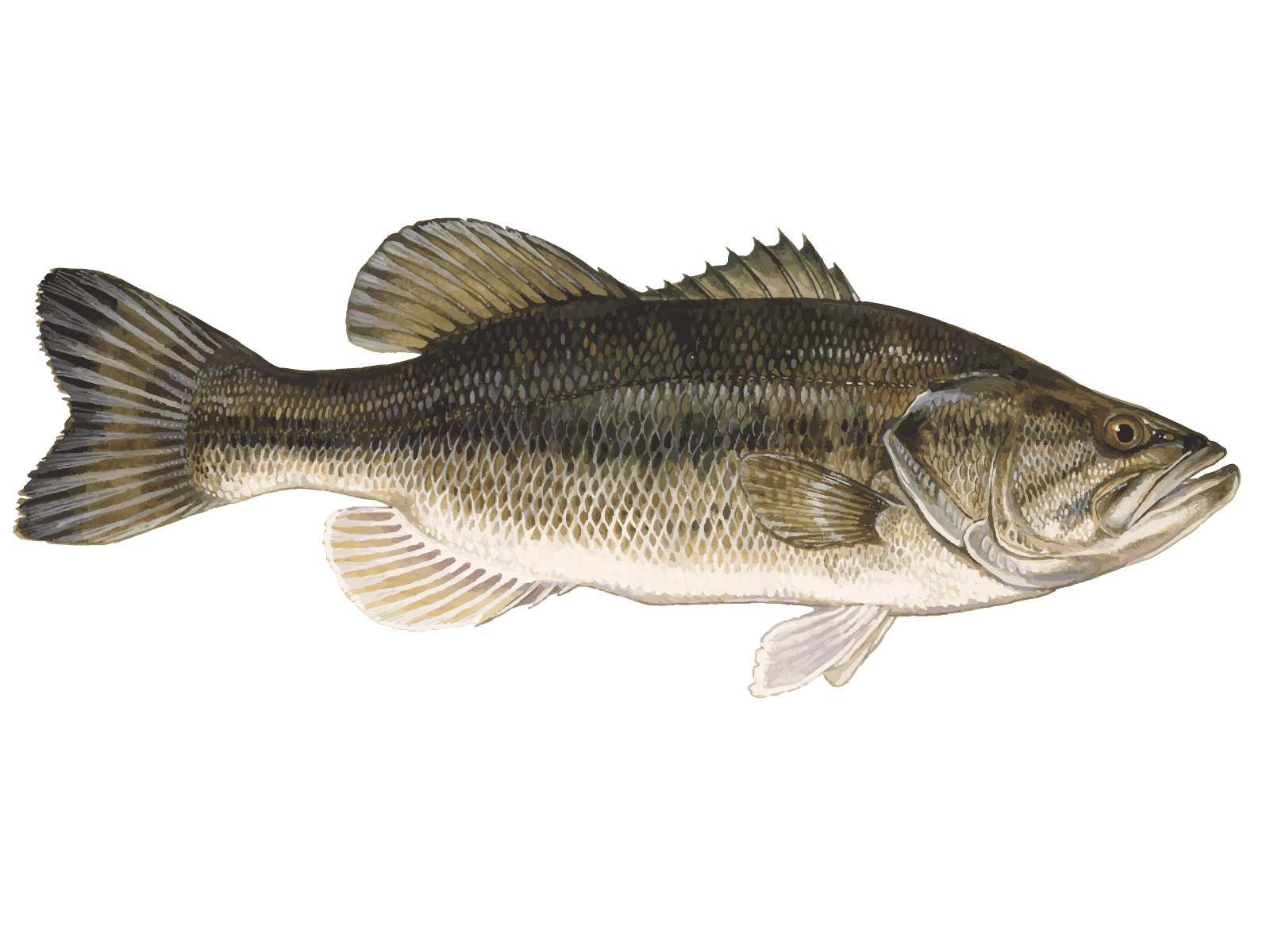
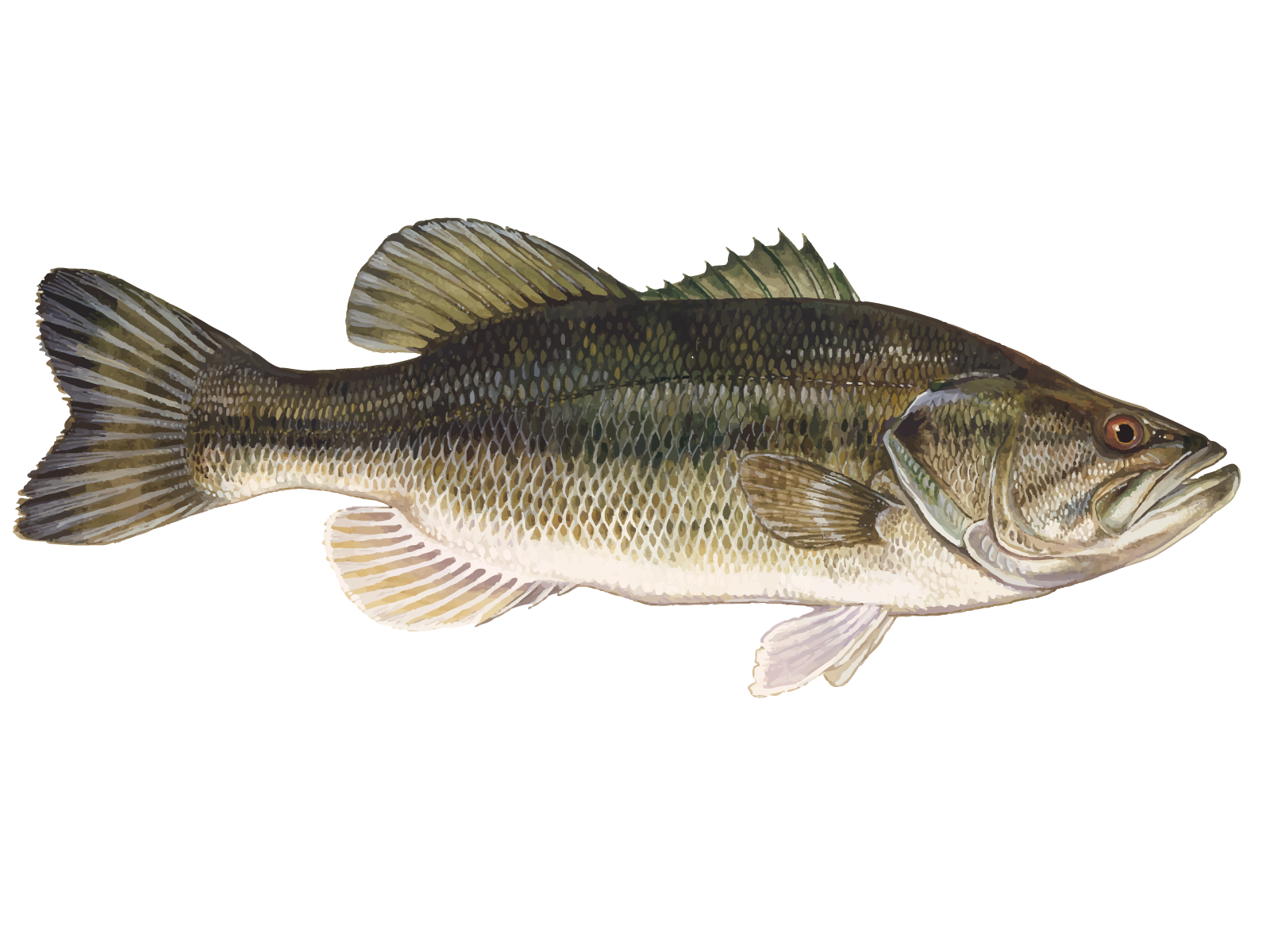 Largemouth Bass
 Smallmouth Bass
 Spotted Bass
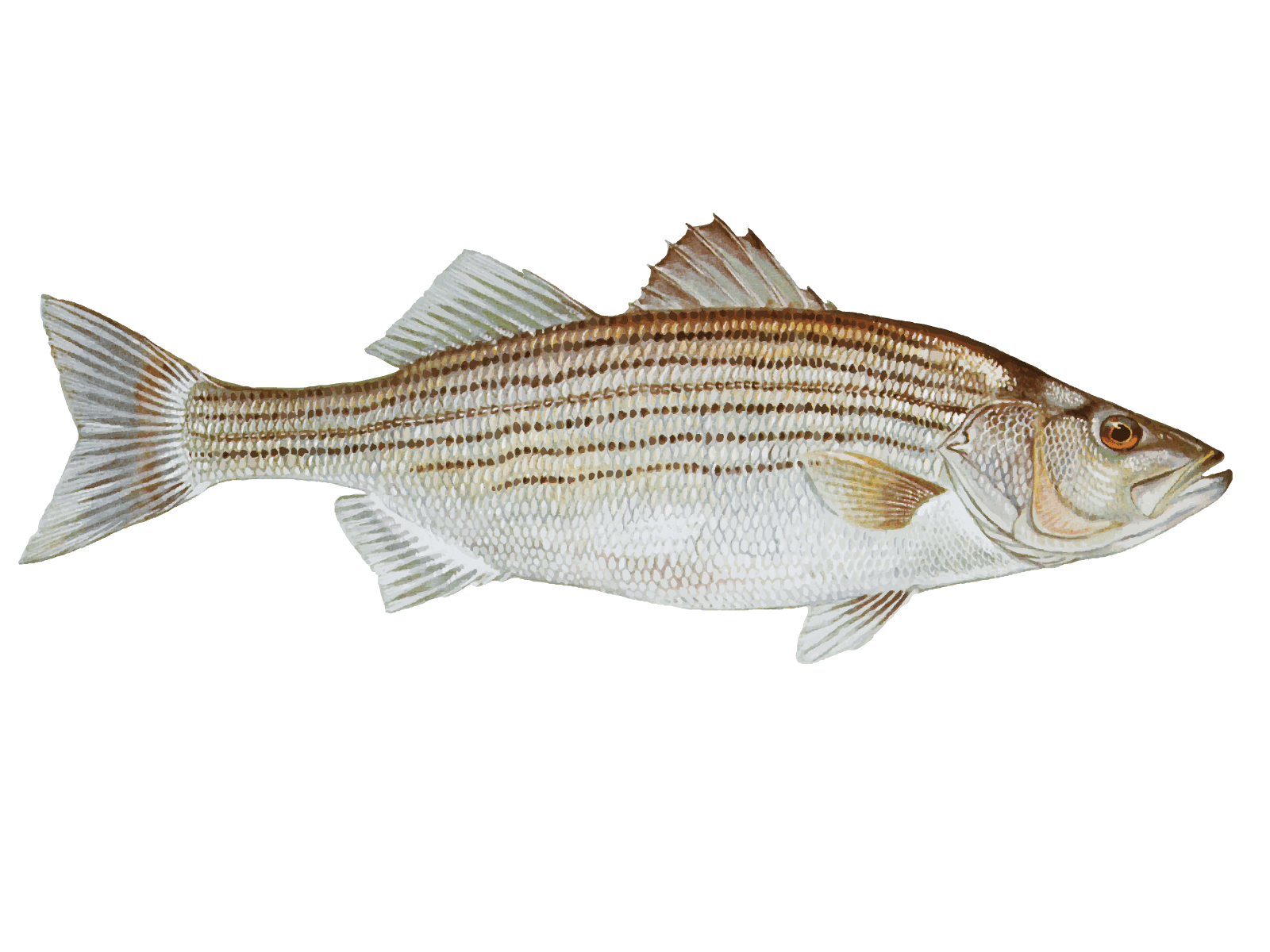
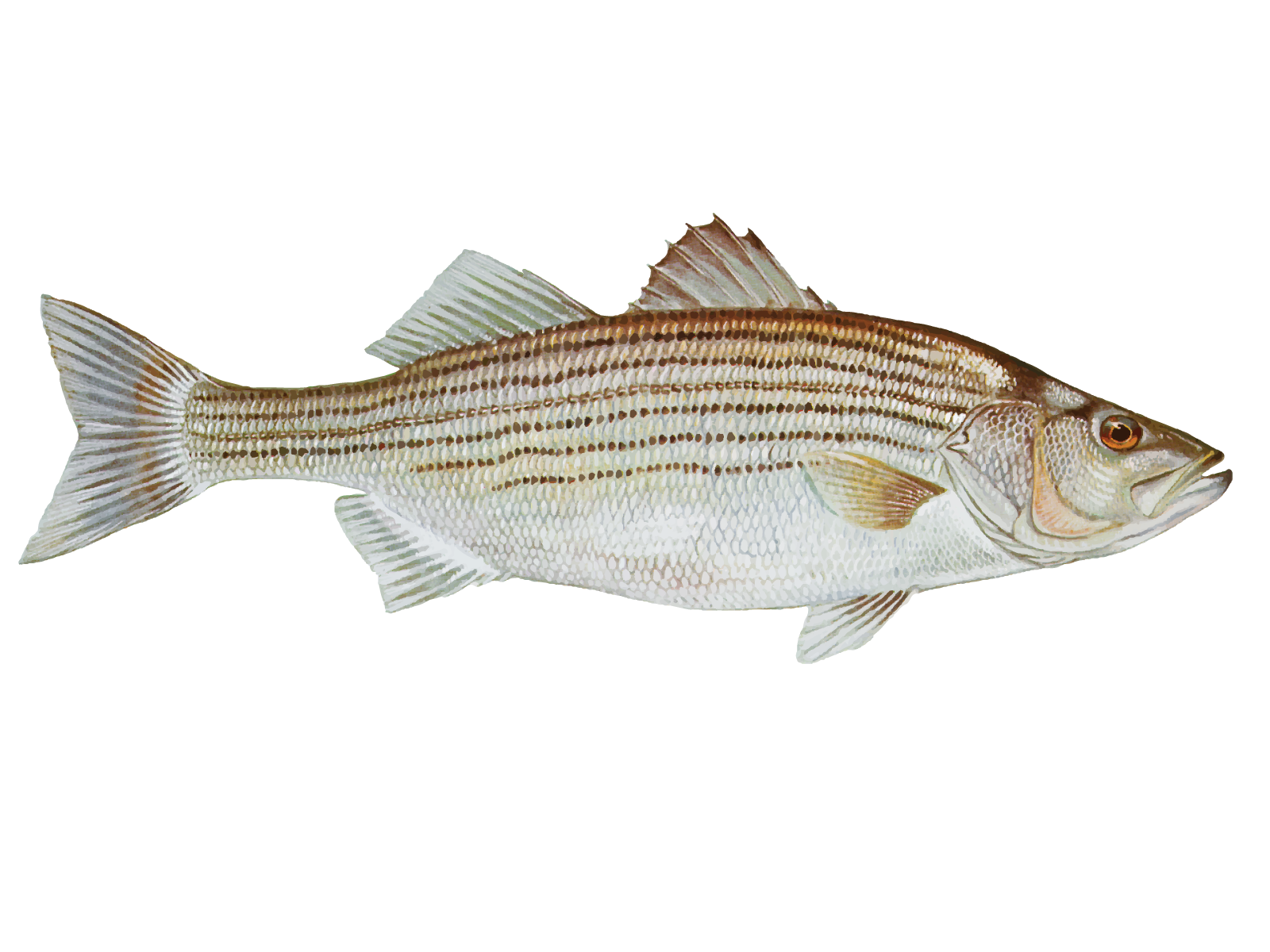 Striped Bass
- 5-hour guided bass fishing excursion on Lake Lanier with expert instruction
- Flexible scheduling accommodates morning or evening departure times for optimal fishing
- Accommodates up to 2 guests with proven local techniques and scenic water access
Trip Pricing and Availabilities:
Half Day Bass Fishing Trip on Lake Lanier
Lake Lanier is hands down one of Georgia's best bass fishing spots, and this 5-hour adventure puts you right in the action. You'll have your choice of morning or evening trips, and honestly, both have their perks depending on what the fish are doing. I've been guiding these waters for years, and there's nothing quite like watching someone's face light up when they hook into their first Lanier bass. Whether you're bringing the family for their first fishing experience or you're a seasoned angler looking to add some Georgia bass to your list, this trip delivers exactly what you're after. The lake's crystal-clear waters and diverse structure create perfect habitat for multiple bass species, making every cast an opportunity for something special.
What to Expect on the Water
Lake Lanier spans over 38,000 acres with 692 miles of shoreline, giving us plenty of prime fishing territory to explore during our 5 hours together. The beauty of this trip is the flexibility – we can start early to catch the morning bite when bass are actively feeding in the shallows, or head out later for an evening session when the water cools and fish move up from deeper structure. The lake sits at about 1,070 feet above sea level in the North Georgia mountains, so you'll be surrounded by rolling hills and pristine forests while we work the water. I keep my groups small at just 2 anglers max, which means personalized attention and more time with fish on the line. The scenery alone is worth the trip, but when you add in some of Georgia's healthiest bass populations, you've got yourself a world-class fishing experience that keeps anglers coming back season after season.
Techniques & Prime Spots
Lake Lanier's diverse underwater structure is what makes it such a bass magnet, and we'll be targeting everything from steep bluffs to shallow coves depending on conditions and what the fish are telling us. I come equipped with all the tackle you'll need, including everything from topwater baits for those explosive surface strikes to deep-diving crankbaits and soft plastics for working the thermocline. We'll spend time around the lake's famous standing timber – submerged trees that create perfect ambush points for bass. The rocky points and underwater humps are another favorite, especially when we're targeting striped bass that roam the main lake. During summer months, we'll focus on deeper water where bass hold tight to structure, while spring and fall offer fantastic shallow water opportunities around spawning flats and feeder creeks. I'll teach you how to read the electronics, work different lure presentations, and most importantly, how to feel the difference between a bite and bottom contact – skills that'll serve you well long after our trip ends.
Species You'll Want to Hook
Largemouth Bass are the stars of Lake Lanier, and these Georgia giants regularly push the 5-pound mark with occasional monsters topping 8 pounds. They love the lake's abundant cover, from submerged timber to rocky structure, and they're active almost year-round thanks to Georgia's mild climate. Spring brings them shallow for spawning, making them aggressive and fun to catch on topwater baits. What makes Lanier largemouths special is their fight – the clear, deep water gives them room to run, and they'll use every inch of it. Spotted Bass might be smaller than their largemouth cousins, but pound-for-pound they're some of the scrappiest fish in the lake. These spotted fighters prefer rocky areas and steep banks, and they'll absolutely hammer a well-presented jig or crankbait. They're active during the cooler months when largemouths slow down, making them a reliable target almost any time of year.
Striped Bass are Lake Lanier's ultimate power fish, with specimens regularly exceeding 20 pounds and providing arm-burning fights that'll test your tackle and your stamina. These open-water predators follow schools of shad throughout the lake, creating explosive feeding opportunities when conditions align. Summer and fall are prime time for stripers as they chase baitfish to the surface, creating the kind of topwater action that gets your heart racing. The best part about targeting stripers is the potential for multiple hookups when you find a feeding school – I've seen anglers land fish after fish during these feeding frenzies. Smallmouth Bass round out Lanier's bass quartet, and while they're less common, they're absolute bulldogs when hooked. These bronze fighters prefer the lake's rocky areas and deeper structure, and they're most active during the cooler months. A 3-pound Lanier smallmouth will give you a fight you won't soon forget, with their characteristic head-shaking runs and determined resistance.
Time to Book Your Spot
Lake Lanier's reputation as a top-rated bass fishing destination isn't just hype – it's built on years of consistent action and memorable catches that keep anglers coming back. This half-day adventure gives you the perfect taste of what makes Lanier special, from the diverse bass species to the stunning North Georgia scenery. With flexible morning or evening departure times, we can work around your schedule while targeting the most productive fishing windows. The 5-hour timeframe is ideal for covering serious water without wearing you out, and the 2-angler limit ensures everyone gets plenty of hands-on time and personalized instruction. Whether you're looking to introduce someone to bass fishing or add a customer favorite Georgia experience to your angling adventures, this trip delivers the goods. Lake Lanier's bass are waiting, and there's no better time than now to get out there and see what all the excitement is about.
Learn more about the species
Largemouth Bass
These are the kings of Lake Lanier - thick-bodied fighters that'll average 12-24 inches and 1-4 pounds, though we regularly see bigger ones. You'll recognize them by that massive mouth and dark horizontal stripes along their olive-green sides. They love hiding around submerged timber, rocky points, and weed beds in 5-15 feet of water. Spring and fall are prime time when they're shallow and aggressive, but summer early mornings work great too. What makes them special? That explosive strike and the way they jump when hooked - pure adrenaline. They're also excellent eating with firm, white meat. Here's a local tip: when fishing our timber-lined coves, throw a Texas-rigged plastic worm right into the thickest cover you can find. Most folks fish too far from structure, but these bass want that bait within inches of the wood.
Smallmouth Bass
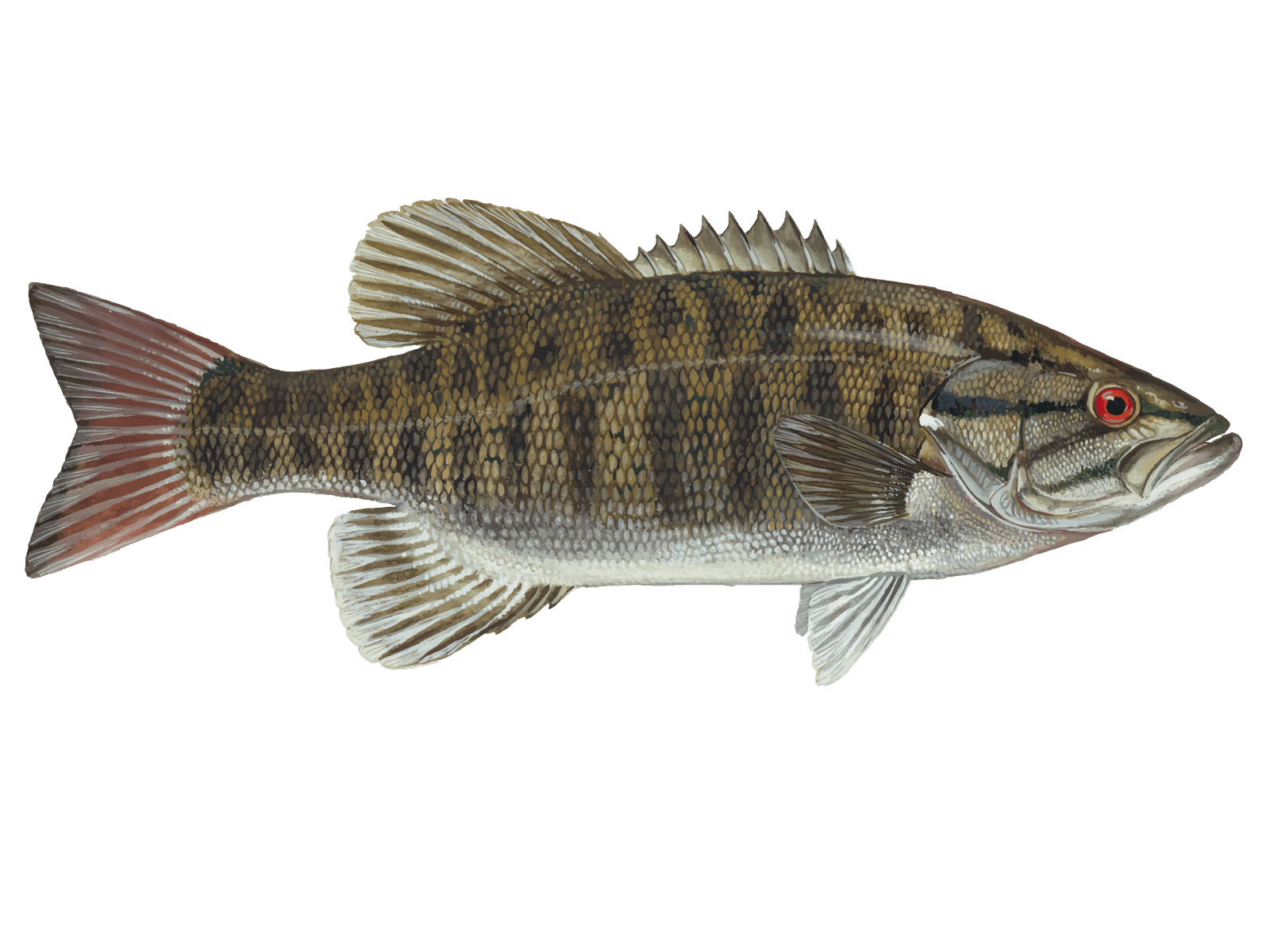
Smallmouth are Lake Lanier's bronze fighters - smaller than largemouth at 14-18 inches but pound-for-pound the strongest bass we have. They're bronze-colored with dark vertical bars and red eyes, preferring rocky bottoms and clear water around main lake structure. You'll typically find them on chunk rock banks, gravel points, and deeper ledges in 10-30 feet of water. Spring and fall are peak times when they move shallow, but they stay active year-round if you can find them. What anglers love is their incredible fight - they dive deep and stay down, using every ounce of strength they have. The meat's firm and mild, making excellent table fare too. They're less common here than other bass, which makes catching one more rewarding. Local secret: target the riprap around bridges and steep rocky banks with tube jigs in natural colors. Work them slowly along the bottom - smallmouth don't rush their meals like largemouth do.
Spotted Bass
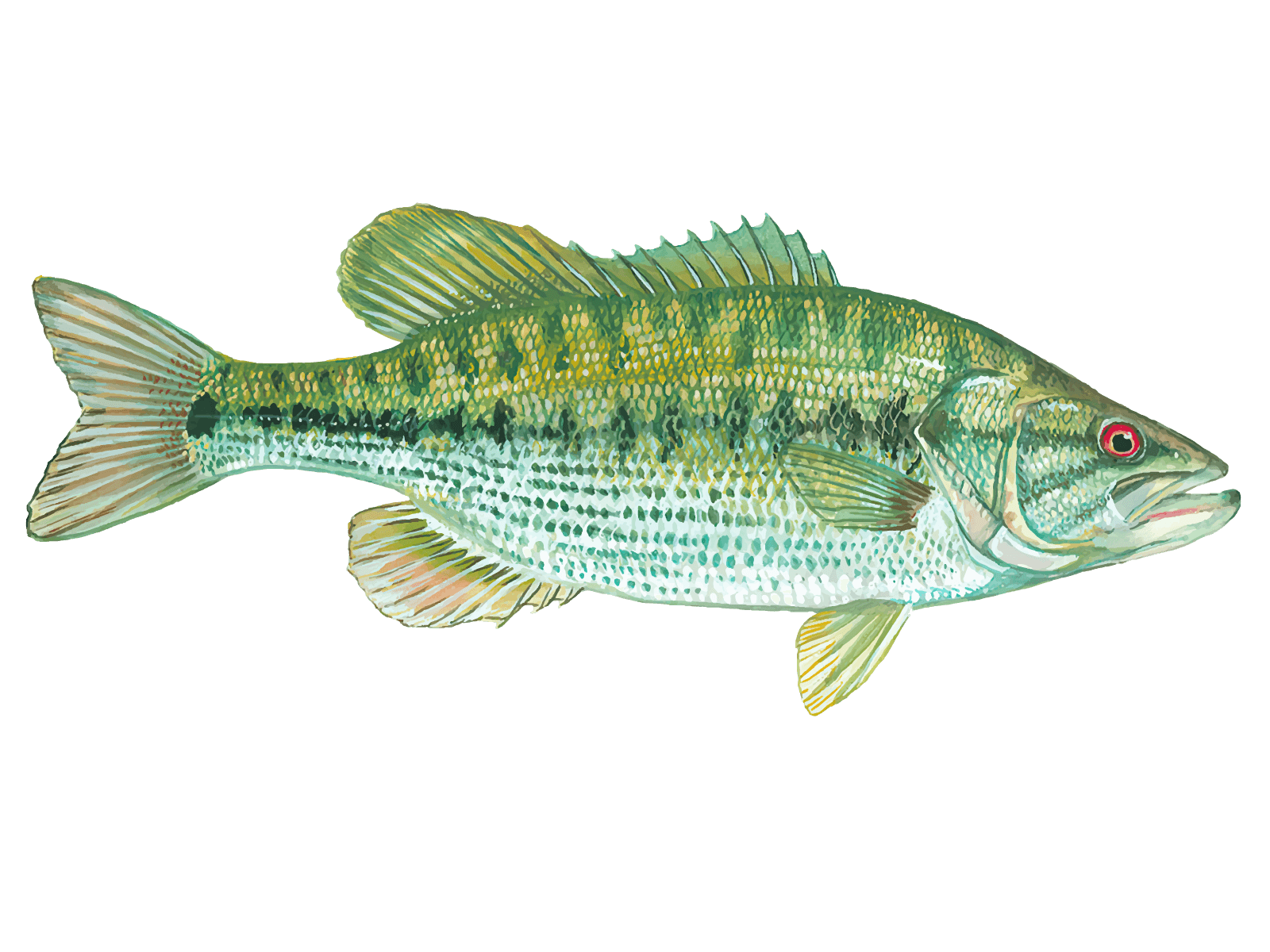
Spotted bass are Lake Lanier's scrappy underdogs - smaller than largemouth at 12-18 inches but twice as feisty. Look for the rows of dark spots along their bellies and that connected dorsal fin. Unlike largemouth, these guys love rocky structure and clearer water, hanging around main lake points and bluff walls in 15-25 feet. They school up more than other bass, so when you find one, there's usually more nearby. Spring through fall are your best bets, especially when water temps hit that 60-75 degree sweet spot. What guests love is their aggressive nature - they'll hit almost anything and dive deep when hooked, giving you that classic smallmouth-style fight. Pro tip for Lanier: focus on chunk rock banks with a Carolina rig and crawfish-colored soft plastics. These fish can't resist a good craw imitation bouncing through their rocky homes.
Striped Bass
Stripers are Lake Lanier's bruisers - silver bullets with dark horizontal stripes that can hit 20-40 pounds and really test your drag. These landlocked ocean fish roam the main lake in schools, following baitfish from deep water to the surface. You'll find them anywhere from 20-60 feet deep, often near creek channels and river bends. They're most active during cooler months - late fall through early spring - and love low-light conditions at dawn and dusk. What makes them special is that raw power when they hit your line, plus they're some of the best eating fish in the lake with firm, sweet meat. During summer, they'll chase shad to the surface creating feeding frenzies that are pure chaos. Here's my go-to technique: troll umbrella rigs with shad imitations along the river channel during winter. When the water's 45-55 degrees, these fish stack up deep and you can really load the boat.