%2Ffit-in%2F250x250%2Fguide_websites%2F984%2Fimages%2Fmattdorseyflyfishingsquarecolor.png&w=1920&q=100)
/users/ea8f1358-de4d-4869-89ff-a604762fd7b0/ratecard/dorseytrout.jpg)
%2F300x300%2Fusers%2Fea8f1358-de4d-4869-89ff-a604762fd7b0%2Fratecard%2Fdorseytrout.jpg&w=256&q=75)
%2F300x300%2Fusers%2Fea8f1358-de4d-4869-89ff-a604762fd7b0%2Fimages%2Frainbow-trout-fishing-georgia-2642.jpg&w=256&q=75)
%2F300x300%2Fusers%2Fea8f1358-de4d-4869-89ff-a604762fd7b0%2Fimages%2Fbig-rainbow-trout-ga-2571.jpg&w=256&q=75)
%2F300x300%2Fusers%2Fea8f1358-de4d-4869-89ff-a604762fd7b0%2Fimages%2Fsolitary-fishing-cornelia-2535.jpg&w=256&q=75)
%2F300x300%2Fusers%2Fea8f1358-de4d-4869-89ff-a604762fd7b0%2Fimages%2Fcornelia-fishing-rainbow-trout-2526.jpg&w=256&q=75)
%2F300x300%2Fusers%2Fea8f1358-de4d-4869-89ff-a604762fd7b0%2Fimages%2Ffishing-cornelia-2554.jpg&w=256&q=75)
%2F300x300%2Fusers%2Fea8f1358-de4d-4869-89ff-a604762fd7b0%2Fimages%2Fsea-trout-fishing-cornelia-2492.jpg&w=256&q=75)
%2F300x300%2Fusers%2Fea8f1358-de4d-4869-89ff-a604762fd7b0%2Fimages%2Ffishing-cornelia-2605.jpg&w=256&q=75)
%2F300x300%2Fusers%2Fea8f1358-de4d-4869-89ff-a604762fd7b0%2Fimages%2Fangler-rainbow-trout-ga-2611.jpg&w=256&q=75)
%2F300x300%2Fusers%2Fea8f1358-de4d-4869-89ff-a604762fd7b0%2Fimages%2Fcornelia-bluefish-catch-2564.jpg&w=256&q=75)
%2F300x300%2Fusers%2Fea8f1358-de4d-4869-89ff-a604762fd7b0%2Fimages%2Fimpressive-catch-cornelia-2913.jpg&w=256&q=75)
Premium Trout Fly Fishing on Soque River, GA
 Cornelia, GA
What you will be catching:
 Brook Trout
 Brown Trout
 Golden Trout
 Rainbow Trout
- Guided one-on-one fly fishing on Georgia's pristine Soque River
- Expert instruction in casting, fly selection, and water reading techniques
- Catch-and-release targeting wild native brown and rainbow trout
Trip Pricing and Availabilities:
Wild Trout Fishing on Georgia's Soque River
Picture this: crystal-clear mountain water flowing through ancient granite boulders, with wild trout holding in every deep pocket and shaded run. That's what you get when you fish the Soque River with me. This isn't your typical stocked pond experience – we're talking about genuine wild trout that have been calling this river home for generations. The Soque cuts through some of the most beautiful terrain in north Georgia, and every cast feels like you're fishing in your own private sanctuary. Whether you're brand new to fly fishing or you've been chasing trout for decades, this river has something special waiting for you.
What to Expect on the Water
The Soque River delivers that authentic mountain stream experience that's getting harder to find these days. We'll spend our time wading through pocket water, working our flies around fallen timber, and reading the subtle currents that hold the best fish. The river varies from wide, shallow riffles to deep plunge pools carved out by centuries of flowing water. What makes this trip special is the catch-photo-release approach – every fish goes back to fight another day, which keeps this fishery as productive as it is. You'll be amazed at how healthy these wild trout look compared to their hatchery cousins. The colors are more vibrant, the fight is more spirited, and the satisfaction of fooling a truly wild fish is something you'll remember long after we head home. This is perfect water for learning proper presentation techniques, and experienced anglers will appreciate the challenge these educated fish present.
Fly Selection & Techniques
Success on the Soque comes down to matching your approach to the conditions. During warmer months, I'll have you working dry flies through the best runs – nothing beats watching a wild brown trout rise to take your fly off the surface. We'll use everything from small Adams patterns to more specific local hatches depending on what's coming off the water. When fish are holding deep, we'll switch to nymphing techniques with weighted flies that get down to where the trout are feeding. The key here is learning to read the water and understanding where these fish like to hold. I'll teach you to spot the subtle differences between a good-looking run that's empty and one that's holding multiple fish. We'll use 4 to 6-weight rods depending on conditions, and I keep plenty of backup gear on hand so equipment issues never cut into fishing time. The beauty of the Soque is that it rewards good technique over brute force – these fish have seen plenty of flies, so presentation matters more than having the newest gadget.
Species You'll Want to Hook
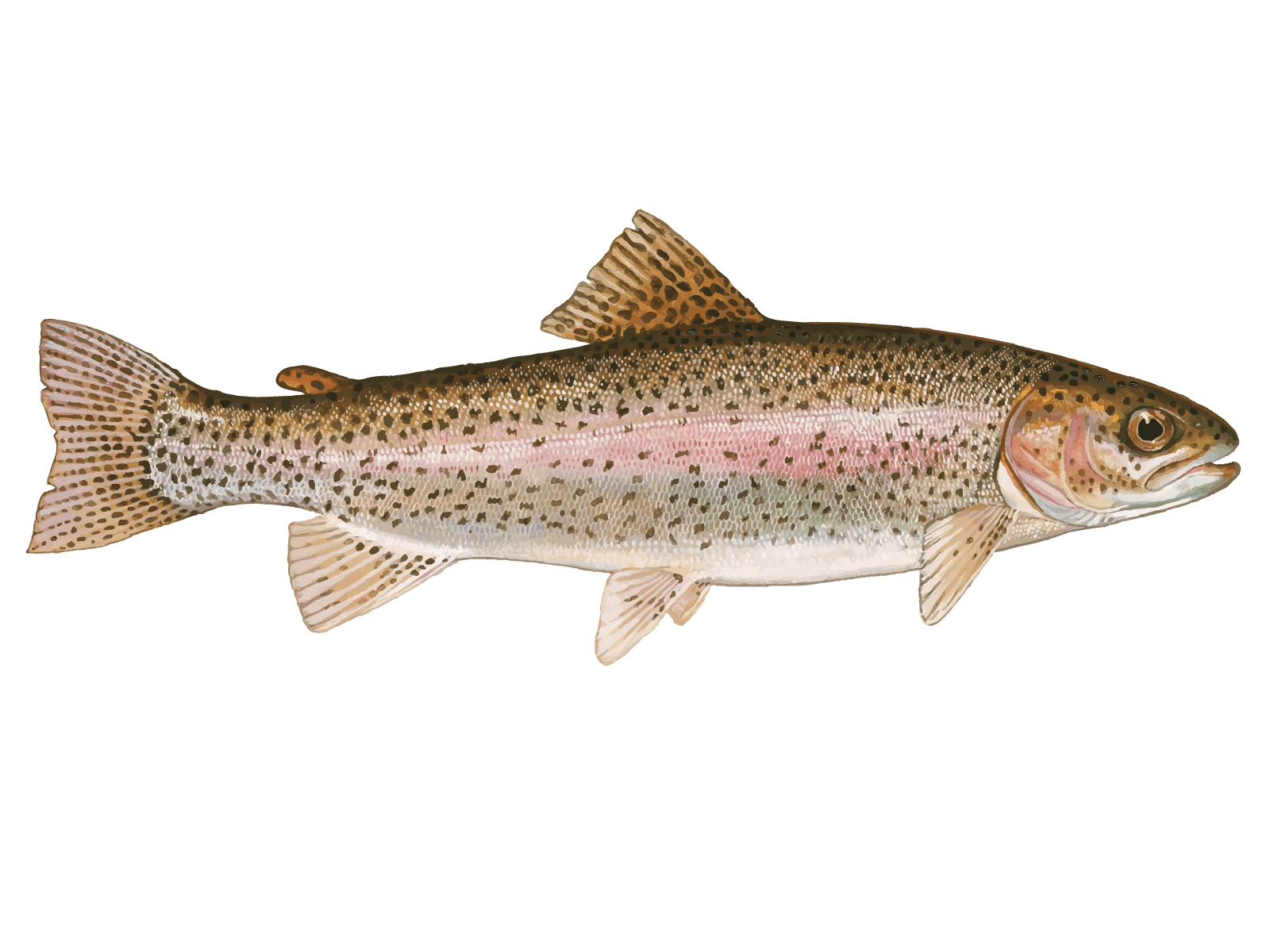
Rainbow trout are the workhorses of the Soque River system. These fish average 8 to 12 inches, but don't let their size fool you – wild rainbows fight with an intensity that'll surprise you. They're most active during the cooler parts of the day and love holding in the faster water where oxygen levels stay high. Spring and fall are prime time for rainbows, when they're actively feeding and more willing to chase flies. What makes catching them so rewarding is their acrobatic fight – expect plenty of jumps and strong runs that'll test your drag system.
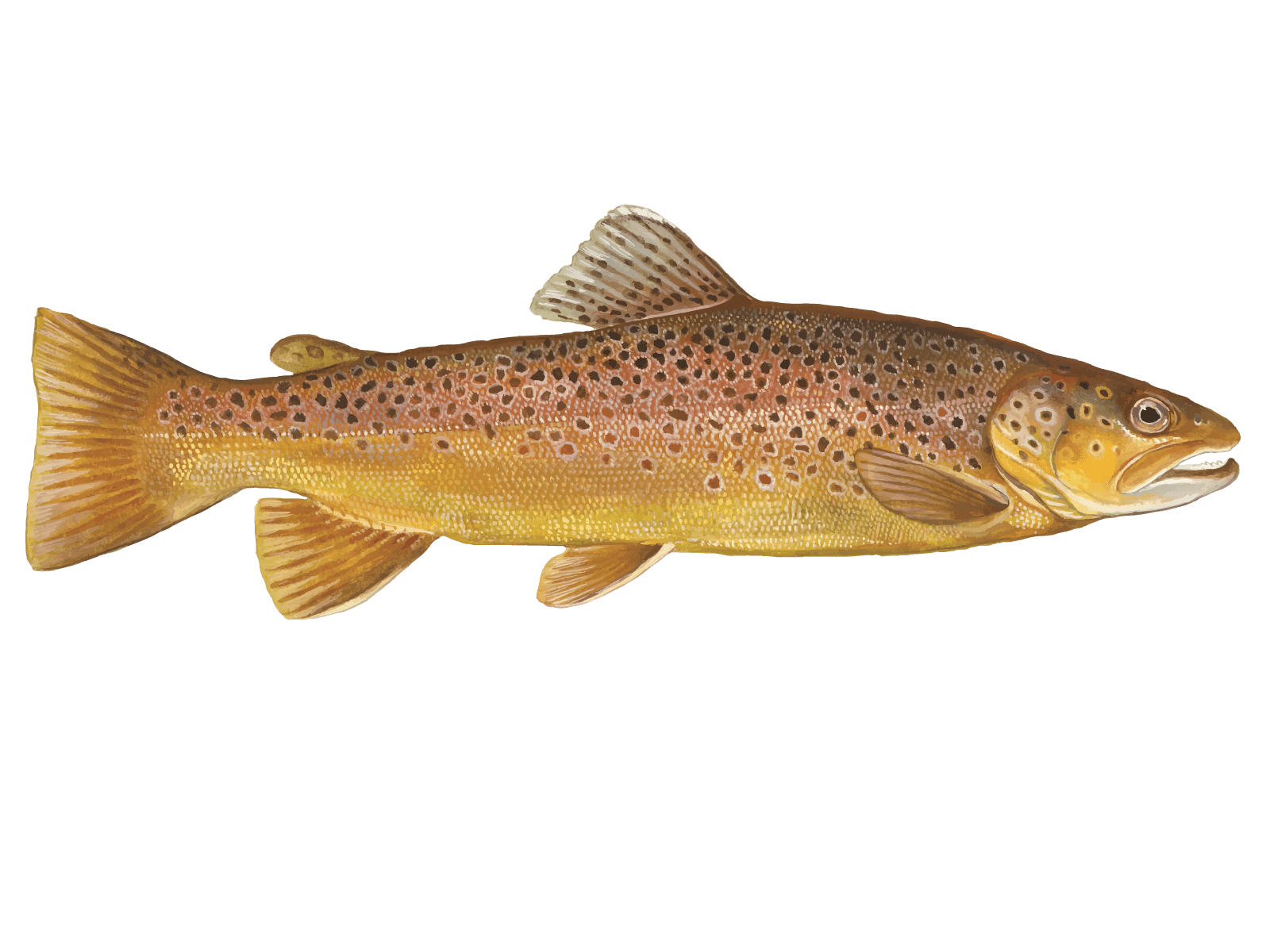
Brown trout represent the ultimate challenge on this river. These fish are smart, spooky, and absolutely gorgeous when you finally get one to the net. Browns tend to grow larger than the other species here, with fish over 14 inches possible in the deeper pools. They're most active early morning and late evening, often holding tight to structure during bright daylight hours. Fall brings out the best in brown trout fishing as they become more aggressive heading into their spawning season. Landing a wild Georgia brown trout is something special – their golden flanks and bright red spots are stunning, and they fight with a dogged determination that'll earn your respect.
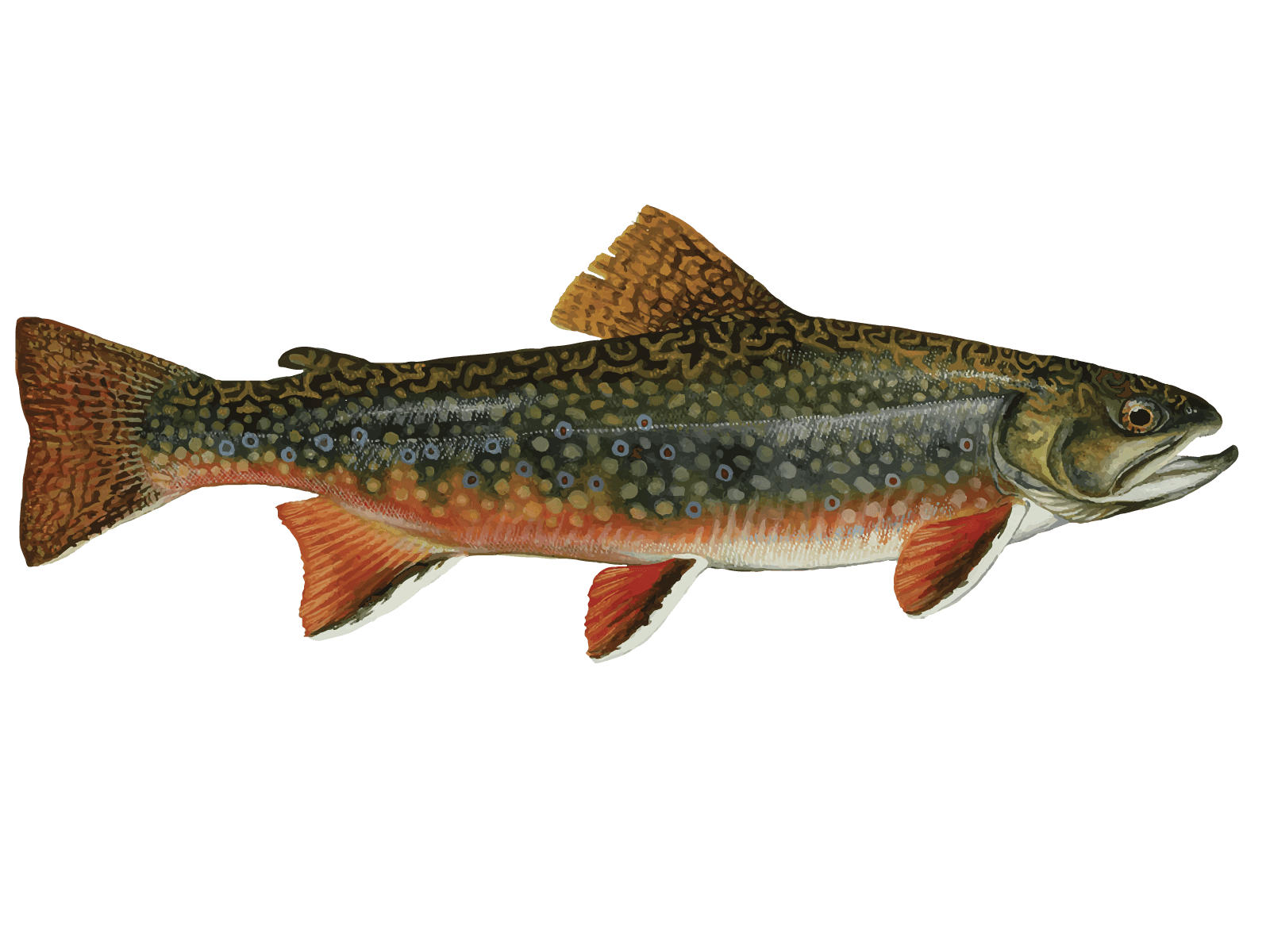
Brook trout are the true natives here, and catching one connects you to the original wild trout of these mountains. They're typically smaller than browns and rainbows, but their beauty more than makes up for size. Look for the distinctive white leading edges on their fins and the intricate vermiculations across their olive-green backs. Brookies prefer the coldest, cleanest water, so finding them is often a sign you're fishing prime habitat. They're most cooperative during spring and early summer before water temperatures climb too high. These fish represent the pure wildness of the Soque River system.
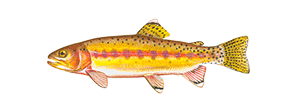
Golden trout are the rarest prize in these waters, making every encounter special. These fish show the most brilliant coloration you'll see in freshwater, with sides that literally glow gold in the right light. They're typically found in the highest, coldest sections of the river system where conditions remain optimal year-round. Goldens are incredibly rare in Georgia waters, so spotting one is like finding treasure. They tend to be selective feeders, making them a true test of your fly fishing skills. Landing a golden trout on the Soque River would be the fish of a lifetime for most anglers.
Time to Book Your Spot
The Soque River offers something different every time you fish it, and that's what keeps me coming back after all these years guiding here. Whether we're working dry flies during a mayfly hatch or dead-drifting nymphs through deep runs, you're going to experience wild trout fishing at its finest. This isn't about filling a cooler – it's about connecting with truly wild fish in their natural environment and maybe learning something new about reading water and presentation. The memories you make on this river will stick with you, and the techniques you learn will make you a better angler no matter where you fish. Ready to see what the Soque River has in store for you? Let's get you out there and find some wild Georgia trout.
Learn more about the species
Brook Trout
Brook trout are our native beauties with wavy olive backs, cream bellies, and those signature red spots ringed in blue. These smaller fish typically run 8-14 inches but pack serious fight for their size. They're the pickiest about water quality, needing temps below 68°F, so you'll find them in spring-fed pools and shaded undercuts. Fall brings the best action as they become aggressive before spawning, and their colors really pop. What guests love is their wild nature - they're truly native and incredibly beautiful with those pink lower fins edged in white. They're also fantastic eating. Since they prefer tight spots under fallen logs and boulders, accuracy beats distance. My advice: use shorter casts and focus on pocket water. A well-placed dry fly in a small pool often outfishes long drifts in open water.
Brown Trout
Brown trout are the smart ones in our waters - they average 8-20 inches and can live up to 12 years, making them wary and challenging. These golden-brown beauties with black spots prefer deeper pools and undercut banks where they can ambush prey. Fall is prime time when they feed aggressively before spawning, especially at night. They're incredibly temperature-sensitive, thriving in 54-65°F water, and will move to cooler depths when it warms up. What draws anglers back is their reputation as fighters with serious attitude - they'll test your skills more than any rainbow. They're also excellent table fare with firm, flaky meat. My go-to trick: cast upstream of their hiding spots and let your fly drift naturally past cover. Patience pays off with these fish.
Golden Trout
Golden trout are the rare gems you might encounter on our upper reaches - these stunning fish sport bright golden sides with olive backs and distinctive orange fins. Running 6-12 inches, they're smaller than their rainbow cousins but make up for size with beauty. They prefer the coldest, clearest water and are incredibly spooky, so stealth is everything. Early morning and late evening offer your best shots when they rise for insects. What makes them special is their rarity and striking colors - they're like swimming jewels that make every photo worth framing. Spring through early summer provides the best opportunities as water levels stabilize. Here's my secret: approach from downstream and keep your profile low. These fish spook easily in clear water, so long, light leaders are essential for success.
Rainbow Trout
Rainbow trout are the bread and butter of our Soque River trips, running 8-16 inches with that classic pink stripe and spotted tail. These fish love cool, clean water around 55-65°F, so they're most active early morning and late evening when temps drop. You'll find them in deeper pools during summer heat, but they move to shallows to feed on insects at dawn and dusk. What makes them special is their fight - they'll jump clear out of the water and make strong runs that'll test your drag. Spring through fall offers the best action, with mayfly and caddis hatches bringing them to the surface. Pro tip: when nymphing, keep your flies just off the bottom where they naturally feed, and watch for that subtle line twitch.