%2Ffit-in%2F250x250%2Fguide_websites%2F984%2Fimages%2Fmattdorseyflyfishingsquarecolor.png&w=1920&q=100)
/users/ea8f1358-de4d-4869-89ff-a604762fd7b0/ratecard/striper1.png)
%2F300x300%2Fusers%2Fea8f1358-de4d-4869-89ff-a604762fd7b0%2Fratecard%2Fstriper1.png&w=256&q=75)
%2F300x300%2Fusers%2Fea8f1358-de4d-4869-89ff-a604762fd7b0%2Fimages%2Frainbow-trout-fishing-georgia-2642.jpg&w=256&q=75)
%2F300x300%2Fusers%2Fea8f1358-de4d-4869-89ff-a604762fd7b0%2Fimages%2Fbig-rainbow-trout-ga-2571.jpg&w=256&q=75)
%2F300x300%2Fusers%2Fea8f1358-de4d-4869-89ff-a604762fd7b0%2Fimages%2Fsolitary-fishing-cornelia-2535.jpg&w=256&q=75)
%2F300x300%2Fusers%2Fea8f1358-de4d-4869-89ff-a604762fd7b0%2Fimages%2Fcornelia-fishing-rainbow-trout-2526.jpg&w=256&q=75)
%2F300x300%2Fusers%2Fea8f1358-de4d-4869-89ff-a604762fd7b0%2Fimages%2Ffishing-cornelia-2554.jpg&w=256&q=75)
%2F300x300%2Fusers%2Fea8f1358-de4d-4869-89ff-a604762fd7b0%2Fimages%2Fsea-trout-fishing-cornelia-2492.jpg&w=256&q=75)
%2F300x300%2Fusers%2Fea8f1358-de4d-4869-89ff-a604762fd7b0%2Fimages%2Ffishing-cornelia-2605.jpg&w=256&q=75)
%2F300x300%2Fusers%2Fea8f1358-de4d-4869-89ff-a604762fd7b0%2Fimages%2Fangler-rainbow-trout-ga-2611.jpg&w=256&q=75)
%2F300x300%2Fusers%2Fea8f1358-de4d-4869-89ff-a604762fd7b0%2Fimages%2Fcornelia-bluefish-catch-2564.jpg&w=256&q=75)
%2F300x300%2Fusers%2Fea8f1358-de4d-4869-89ff-a604762fd7b0%2Fimages%2Fimpressive-catch-cornelia-2913.jpg&w=256&q=75)
Top-Rated Trout Fishing on Lake Lanier, Georgia
 Cornelia, GA
What you will be catching:
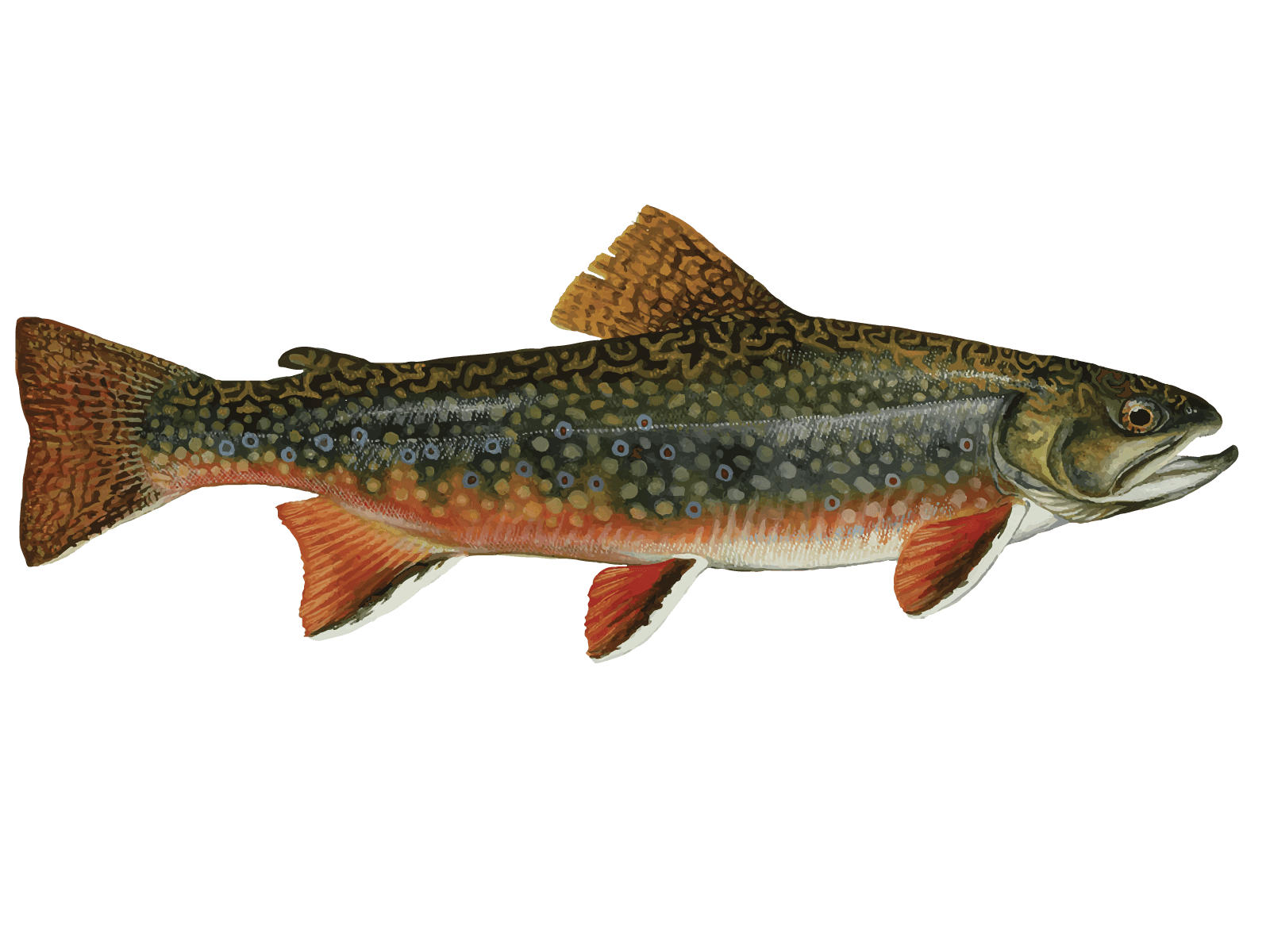
 Brook Trout
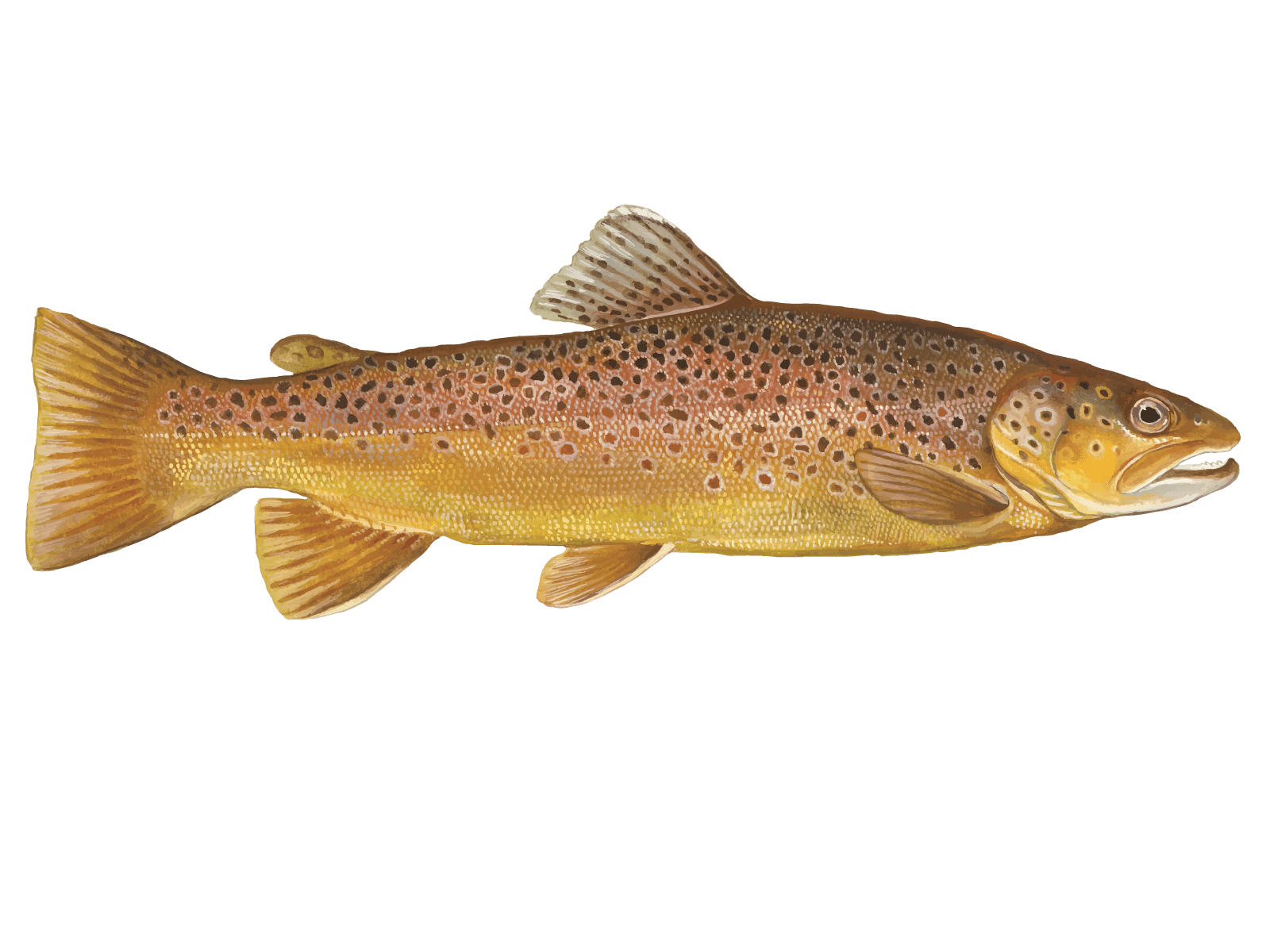
 Brown Trout
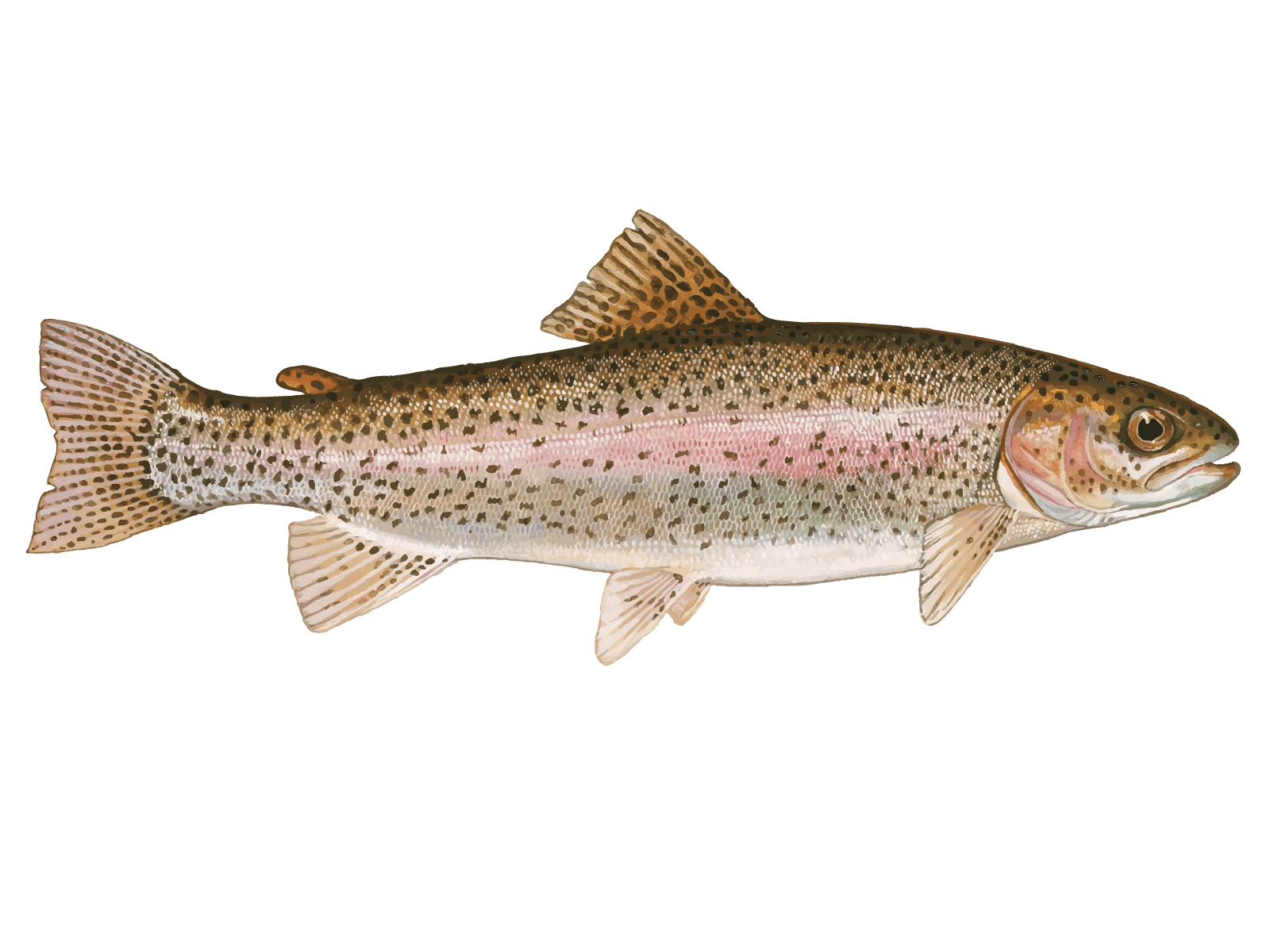
 Rainbow Trout
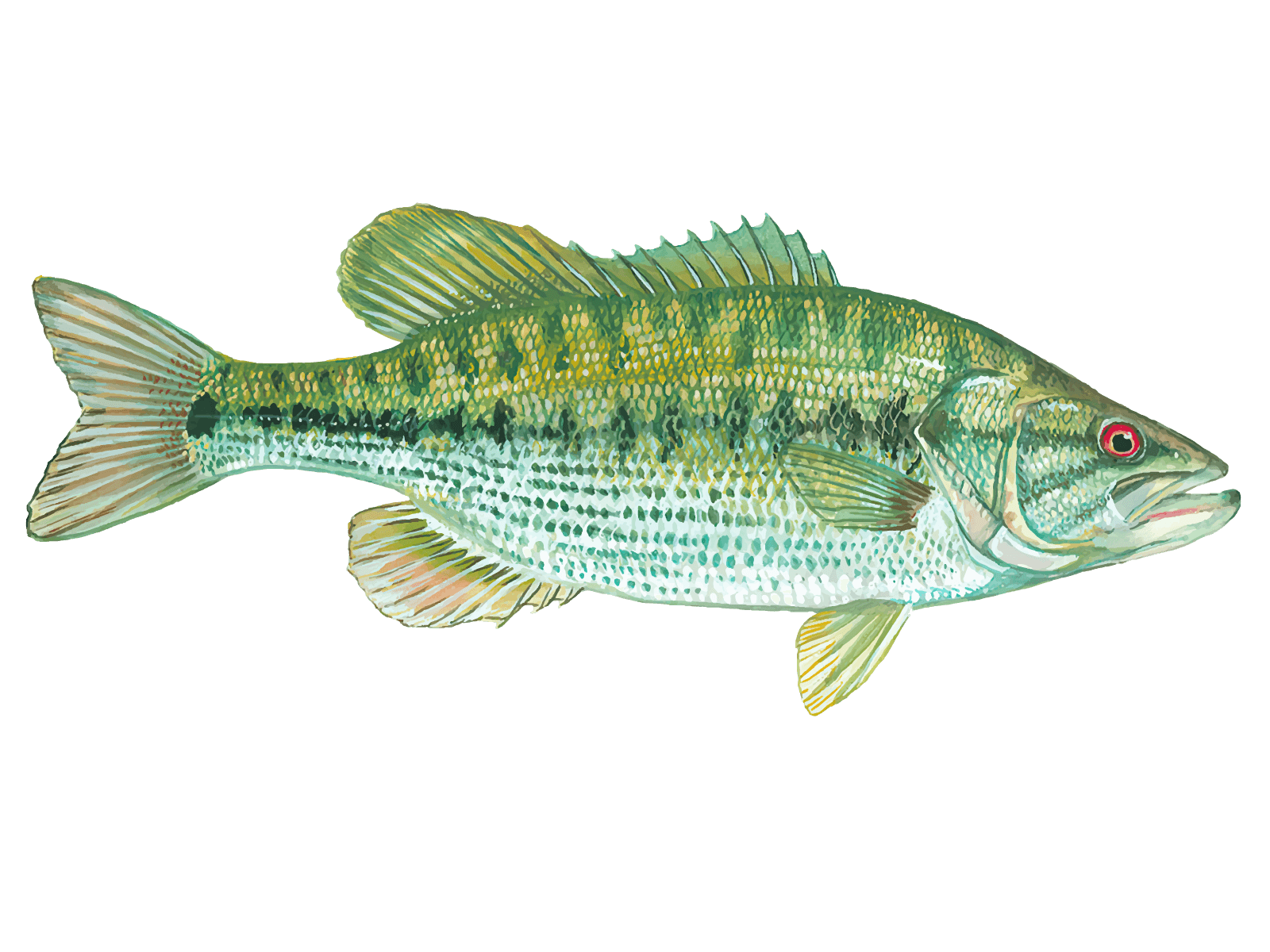
 Spotted Bass
- Half-day guided fishing on four pristine Georgia mountain lakes
- Target spotted bass and brook, brown, rainbow trout species
- Expert captain provides local knowledge and scenic mountain views
Trip Pricing and Availabilities:
Half Day Trout Fishing Trip on Lake Lanier
Picture this: you and a buddy or family member cruising the pristine waters of Lake Burton, Chatuge, Rabun, and Seed for a solid 5-hour fishing adventure that'll have you talking about it for months. This isn't your typical pond fishing – we're talking about some of Georgia's most renowned mountain lakes where the fish are hungry and the scenery will blow you away. I've been guiding these waters for years, and let me tell you, there's nothing quite like watching someone land their first rainbow trout or battle a feisty spotted bass while surrounded by the rolling hills of North Georgia. Whether you're a weekend warrior with tackle boxes full of gear or someone who's never held a rod, this trip delivers exactly what you're looking for: great fishing, fresh mountain air, and memories that stick.
What to Expect on the Water
We'll spend our day bouncing between some of the best fishing spots across these four connected lake systems, each offering its own personality and fish population. Lake Burton tends to be our bread and butter for brook trout, especially in the deeper channels where the water stays cool year-round. Chatuge gives us fantastic rainbow action, particularly around the rocky points and submerged structure. Rabun and Seed lakes round out the experience with excellent spotted bass opportunities and the occasional brown trout that'll test your drag system. The beauty of this setup is flexibility – if one lake isn't producing, we've got three others to explore. You'll spend most of your time casting from a comfortable boat while I handle navigation and fish-finding duties. The pace is relaxed but purposeful, with plenty of time to soak in the mountain views between hookups. Don't worry about bringing anything except your fishing license – I've got all the gear, tackle, and local knowledge you'll need to make this a top-rated day on the water.
Techniques & Tackle Setup
We'll be running a mix of techniques depending on what the fish are telling us that day. Light spinning gear is our go-to setup – sensitive enough to feel those subtle trout bites but with enough backbone to handle a chunky spotted bass when they decide to cooperate. For trout, we're primarily working with small spinners, spoons, and live bait presentations around drop-offs and creek channels. The spotted bass respond well to soft plastics, small crankbaits, and topwater action when conditions are right. I keep multiple rod setups rigged and ready, so we can switch tactics quickly without burning daylight re-rigging. Water temperature plays a huge role in our approach – during warmer months, we'll focus on deeper water and shaded areas, while spring and fall fishing lets us work the shallows more effectively. The lakes feature plenty of submerged timber, rock piles, and natural structure that hold fish, and I've spent years mapping out the most productive spots. You'll learn to read the water, understand why fish position themselves in certain areas, and pick up techniques that'll serve you well on future fishing adventures.
Top Catches This Season
Brook trout are the jewels of these mountain lakes, and for good reason. These native beauties prefer the coldest, cleanest water you can find, which makes them somewhat challenging but absolutely rewarding to target. Most of our brookies run 8-12 inches, but don't let the size fool you – they fight like fish twice their length and their colors are absolutely stunning. Peak season runs from late fall through early spring when water temperatures drop and they become more active in shallow areas. What makes brook trout special is their pickiness – they'll ignore a perfectly good lure one minute and slam it the next, keeping you on your toes throughout the trip. Spotted bass bring a completely different energy to the day. These aggressive fighters average 1-3 pounds but can surprise you with larger specimens pushing 4-5 pounds if you hit the right spots at the right time. They're most active during spring and fall, though summer mornings and evenings produce solid action around deeper structure. Spots are known for their aerial displays when hooked, often jumping multiple times and testing your reflexes. Rainbow trout represent the perfect middle ground between brook trout finesse and spotted bass aggression. Running 10-16 inches on average, rainbows provide consistent action throughout most of the year, with peak activity during cooler months. They're opportunistic feeders, making them excellent targets for beginning anglers while still challenging enough to keep experienced fishermen engaged. Brown trout are our wild cards – less common but absolutely worth the effort when they show up. These crafty fish tend to be larger than their rainbow cousins, often exceeding 18 inches, and they're notorious for testing both your equipment and patience. Browns are most active during low-light conditions and cooler water temperatures, making them a customer favorite for their size and fight quality.
Time to Book Your Spot
This half-day adventure packs serious value into 5 hours of prime fishing time across four world-class mountain lakes. You're getting expert guide service, all necessary equipment, and access to fishing spots that most people never find on their own. The 2-person capacity keeps things personal and ensures everyone gets plenty of hands-on attention and fishing time. Whether you're looking to introduce someone to fishing, sharpen your own skills, or simply enjoy a peaceful day surrounded by Georgia's best mountain scenery, this trip delivers on all fronts. The combination of multiple species and lake systems means we're always adapting and adjusting to find the most productive water, giving you the best possible shot at consistent action. Don't wait too long to secure your dates – the best fishing windows fill up quickly, especially during peak trout season. Grab your fishing license, bring a camera for those grip-and-grin shots, and get ready for a day of fishing that'll have you planning your return trip before we even get back to the dock.
Learn more about the species
Brook Trout
Brook trout are the smallest of our trout species, typically running 8-12 inches in these mountain lakes. They're gorgeous fish with olive-green backs, red spots circled in blue, and that signature wavy pattern on their backs. These natives prefer the coldest, cleanest water you'll find - they're actually great indicators of water quality. You'll catch them in shallow areas near fallen timber and rocky structure, especially during cooler morning and evening hours. Spring and fall are prime time when water temps drop below 65°F. What makes brookies special is their aggressive strike and that sweet, delicate flavor - many consider them the best eating trout. Pro tip: use small spinners or flies and fish tight to cover. These fish spook easily, so keep your approach quiet and your casts accurate.
Brown Trout
Brown trout are the wariest and often largest trout in our lakes, with fish pushing 16-24 inches not uncommon. They've got that golden-brown color with black spots and tend to be more solitary than other trout. These smart fish prefer deeper water during the day, moving shallow to feed at dawn, dusk, and nighttime. Fall is prime time when they get aggressive before spawning. They're tougher to fool but worth the effort - browns are incredible fighters and excellent table fare with firm, flaky meat. You'll find them around structure like fallen trees, rocky ledges, and creek channels where they ambush prey. Spring and fall offer the best action when water temperatures are in that 55-65°F sweet spot. Here's what works: browns are opportunistic predators, so try larger baits like crawfish patterns or streamers. Fish them slow and deep during bright conditions, then switch to topwater action during low-light periods.
Rainbow Trout
Rainbow trout are the workhorses of our trout fishing, averaging 12-16 inches with that distinctive pink stripe down their silver sides. They're strong fighters known for those acrobatic jumps that'll get your heart pumping. You'll find them cruising near gravelly shorelines and creek inlets in spring, then moving to cooler depths during summer months. Best fishing happens early morning and late evening when they're actively feeding on insects. Water temps between 55-65°F are perfect. What guests love most is their consistent action and excellent eating quality - that pink meat grills up beautifully. These fish are stocked regularly, so there's always good numbers to target. Local tip: during summer, focus your efforts around creek mouths and deeper drop-offs where the water stays cool. Small spoons and spinners work great, but don't overlook live bait like worms drifted just off the bottom.
Spotted Bass
Spotted bass are scrappy fighters that school up more than their largemouth cousins, making for some fast action on our lakes. They average 12-16 inches and love hanging around rocky points, drop-offs, and structure in 15-30 feet of water. You can tell them apart from largemouth by those rows of dark spots along their sides and that connected dorsal fin. Unlike largemouth that jump and thrash on top, spotted bass dive deep and fight hard all the way to the boat - more like a smallmouth's behavior. Spring through fall are your best bets, especially when they're feeding aggressively in early morning or late afternoon. They're excellent table fare with firm, white meat. Here's a local trick: when you find one spotted bass, keep working that same area with small crankbaits or jigs - they travel in groups and you'll often catch several from the same spot.