%2Ffit-in%2F250x250%2Fguide_websites%2F984%2Fimages%2Fmattdorseyflyfishingsquarecolor.png&w=1920&q=100)
/users/ea8f1358-de4d-4869-89ff-a604762fd7b0/ratecard/dorseytrout2.jpg)
%2F300x300%2Fusers%2Fea8f1358-de4d-4869-89ff-a604762fd7b0%2Fratecard%2Fdorseytrout2.jpg&w=256&q=75)
%2F300x300%2Fusers%2Fea8f1358-de4d-4869-89ff-a604762fd7b0%2Fimages%2Frainbow-trout-fishing-georgia-2642.jpg&w=256&q=75)
%2F300x300%2Fusers%2Fea8f1358-de4d-4869-89ff-a604762fd7b0%2Fimages%2Fbig-rainbow-trout-ga-2571.jpg&w=256&q=75)
%2F300x300%2Fusers%2Fea8f1358-de4d-4869-89ff-a604762fd7b0%2Fimages%2Fsolitary-fishing-cornelia-2535.jpg&w=256&q=75)
%2F300x300%2Fusers%2Fea8f1358-de4d-4869-89ff-a604762fd7b0%2Fimages%2Fcornelia-fishing-rainbow-trout-2526.jpg&w=256&q=75)
%2F300x300%2Fusers%2Fea8f1358-de4d-4869-89ff-a604762fd7b0%2Fimages%2Ffishing-cornelia-2554.jpg&w=256&q=75)
%2F300x300%2Fusers%2Fea8f1358-de4d-4869-89ff-a604762fd7b0%2Fimages%2Fsea-trout-fishing-cornelia-2492.jpg&w=256&q=75)
%2F300x300%2Fusers%2Fea8f1358-de4d-4869-89ff-a604762fd7b0%2Fimages%2Ffishing-cornelia-2605.jpg&w=256&q=75)
%2F300x300%2Fusers%2Fea8f1358-de4d-4869-89ff-a604762fd7b0%2Fimages%2Fangler-rainbow-trout-ga-2611.jpg&w=256&q=75)
%2F300x300%2Fusers%2Fea8f1358-de4d-4869-89ff-a604762fd7b0%2Fimages%2Fcornelia-bluefish-catch-2564.jpg&w=256&q=75)
%2F300x300%2Fusers%2Fea8f1358-de4d-4869-89ff-a604762fd7b0%2Fimages%2Fimpressive-catch-cornelia-2913.jpg&w=256&q=75)
World-Class Trout Fly Fishing in Cornelia, GA
 Cornelia, GA
What you will be catching:
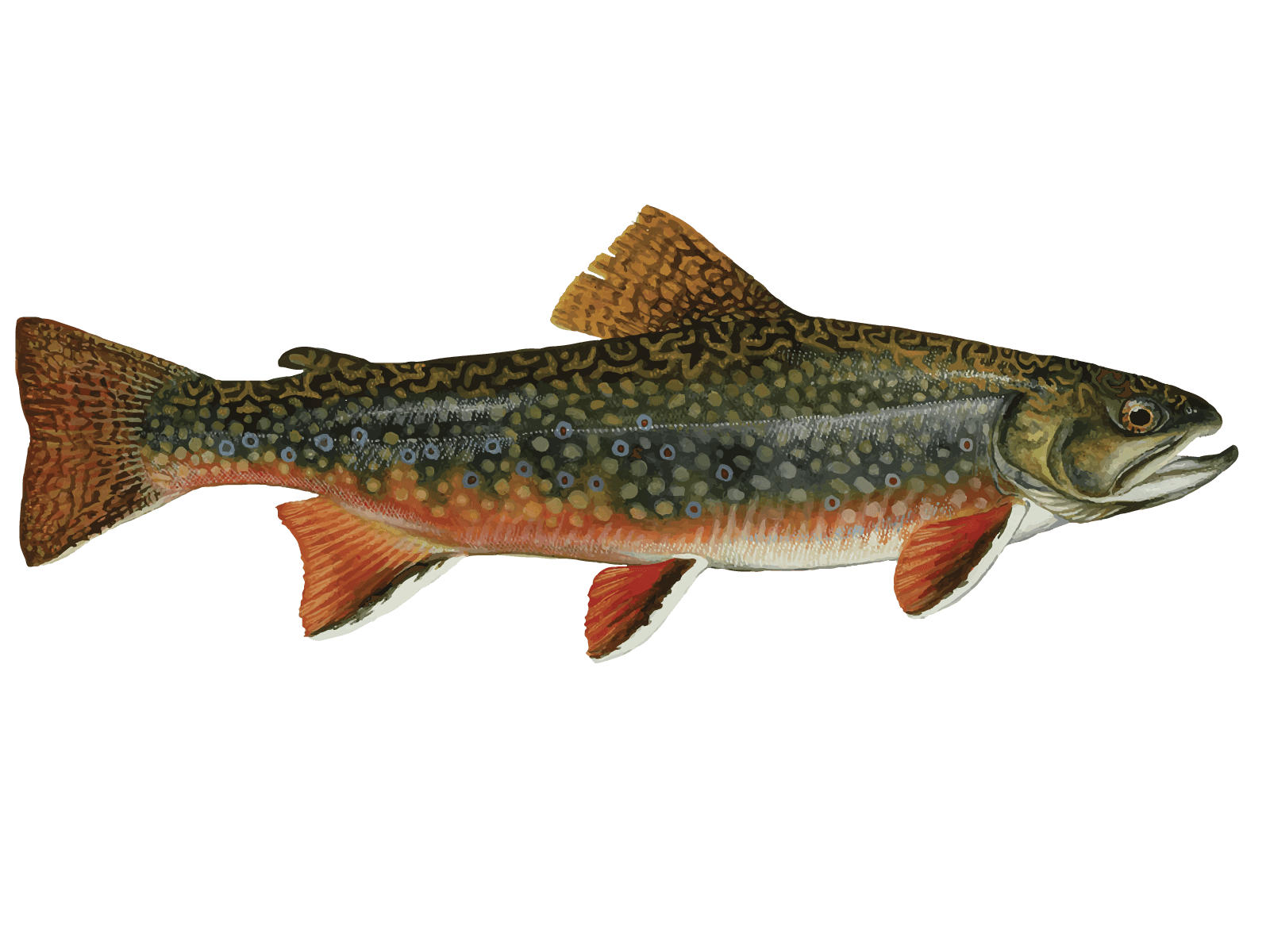
 Brook Trout
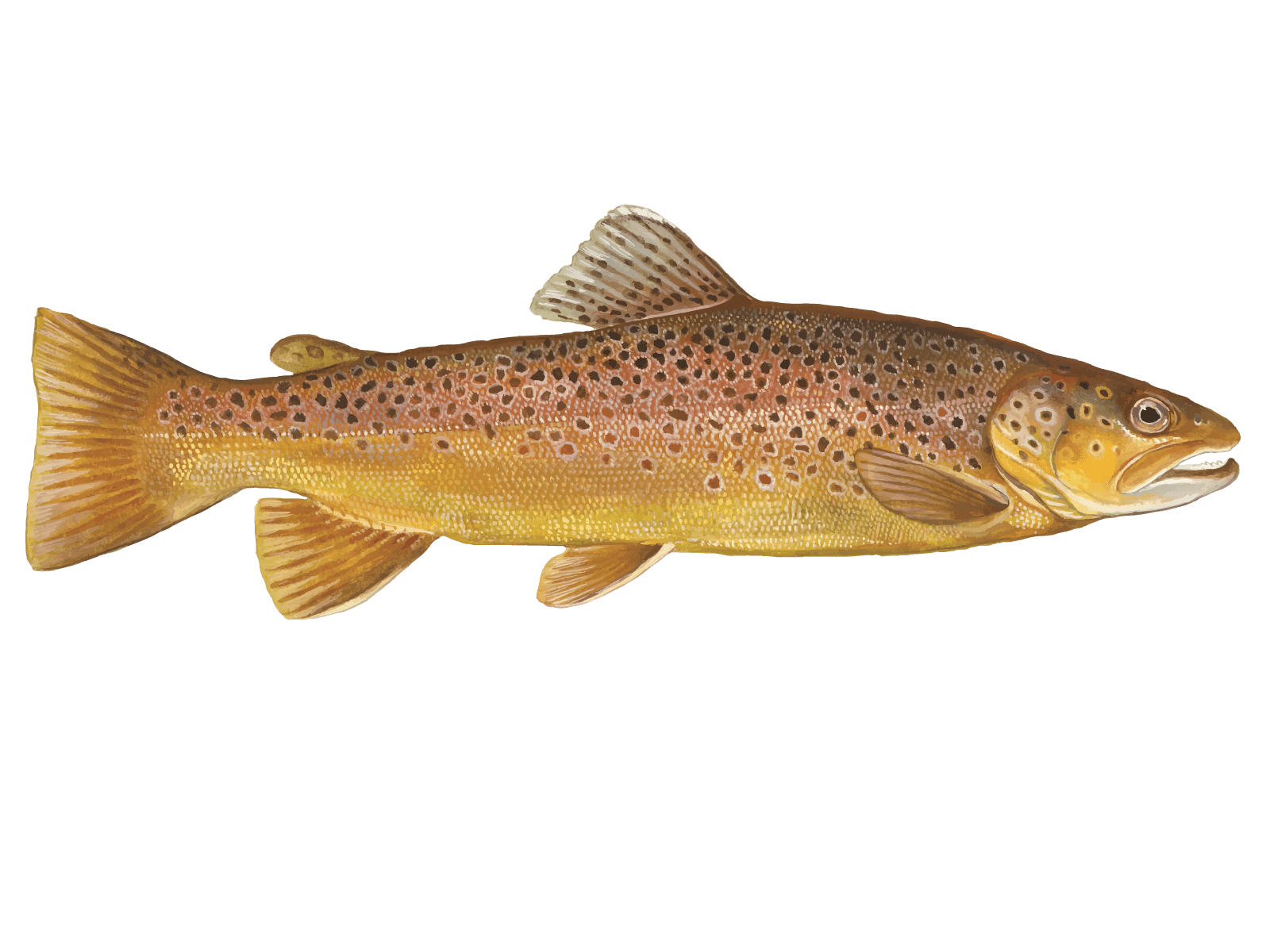
 Brown Trout
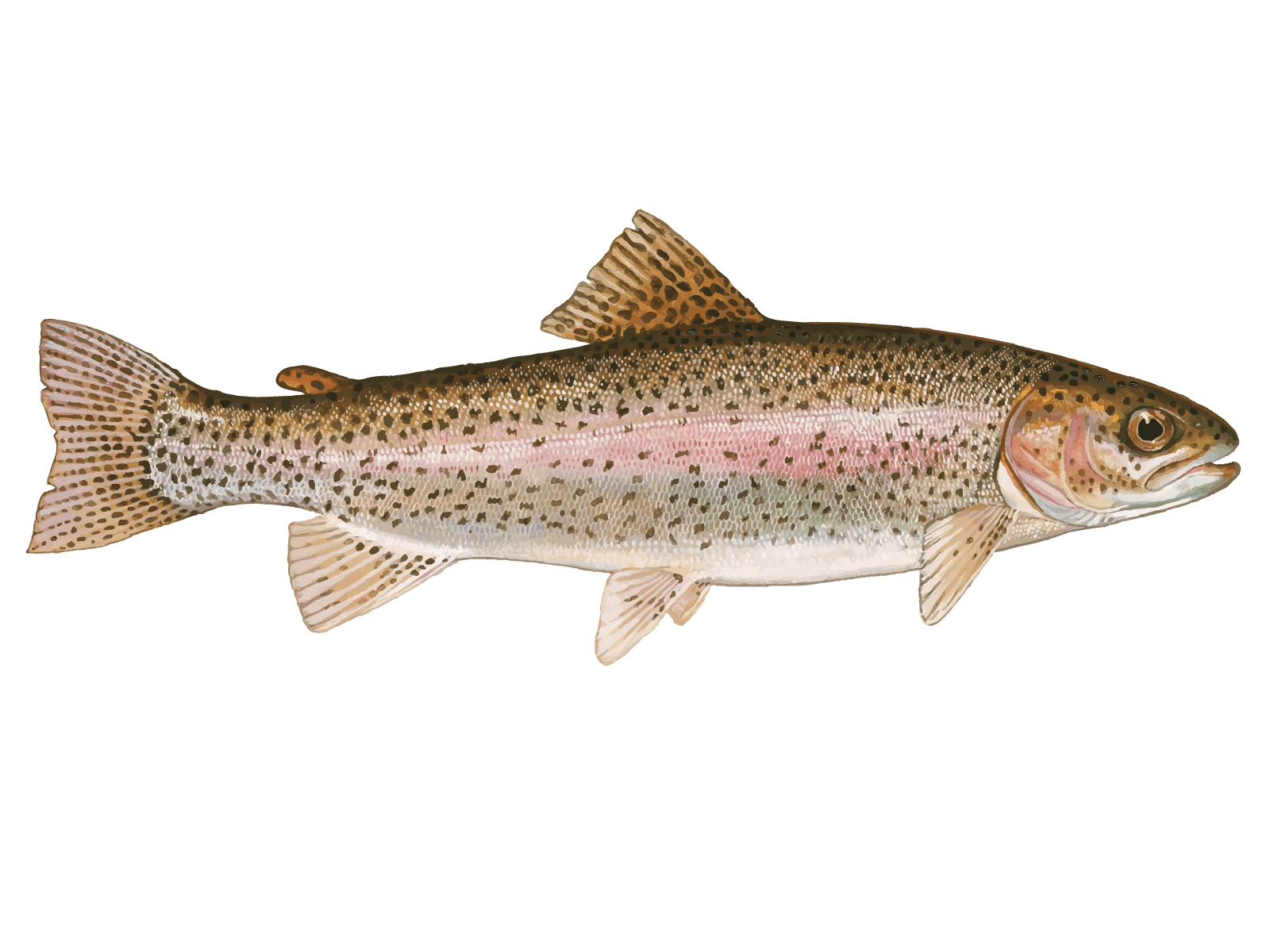
 Rainbow Trout
- Full-day guided fly fishing on pristine mountain streams
- One-on-one personalized instruction for technique improvement
- Target native rainbow and brown trout in scenic waters
Trip Pricing and Availabilities:
Full Day Trout Fly Fishing in Cornelia, GA
Picture yourself standing knee-deep in crystal-clear Georgia mountain water, watching your perfectly placed dry fly drift downstream while native trout rise all around you. That's exactly what you'll experience on this top-rated full day fly fishing adventure with Matt Dorsey in the pristine waters around Cornelia. Located in the heart of North Georgia's trout country, these streams offer some of the state's most productive and beautiful fly fishing opportunities. You'll spend a full day mastering your casting technique, reading the water like a pro, and landing gorgeous trout in settings that'll have you planning your next trip before this one's even over. Whether you're new to the fly rod or looking to dial in your skills, this personalized one-on-one experience gives you the focused attention every angler deserves.
What to Expect on the Water
Your day starts early when Matt picks you up and heads to one of his carefully selected spots along Cornelia's network of mountain streams and rivers. These aren't your typical crowded tourist waters – Matt knows the hidden gems where wild trout thrive and the fishing stays consistent throughout the season. The streams here range from technical pocket water that'll test your accuracy to longer pools perfect for working nymphs and streamers. You'll wade through sections with granite boulders and undercut banks where trophy browns love to hide, plus faster runs where rainbows and brook trout feed aggressively. The scenery changes as you move between spots, from dense rhododendron tunnels to open meadow sections where you can really let your line sing. Since it's just you and Matt, he can adjust the day based on your skill level and what's working best – maybe spending extra time on that perfect casting technique or exploring a new stretch of water if the fish are being cooperative.
Flies, Rods, and River Tactics
Matt provides all the gear you'll need, including quality fly rods suited for these Georgia streams – typically 8'6" to 9' rods in 4 or 5 weight that handle the mix of open water and tight spots you'll encounter. The fly selection changes with the seasons, but expect to throw everything from classic Appalachian patterns like the Yellow Sally and Mr. Rapidan to proven producers like Pheasant Tail nymphs and Elk Hair Caddis. During mayfly season, you might get into some world-class dry fly action with Blue Wing Olives and Light Cahills. Matt's a stickler for proper presentation – he'll teach you to read the currents, mend your line like a pro, and place your fly in those tricky seams where big fish love to feed. You'll learn high-stick nymphing for the deeper pools, roll casting for those brushy sections, and maybe even some streamer techniques if the browns are feeling aggressive. The best part is having someone right there to adjust your rig when conditions change, point out rising fish you might miss, and help you land that fish of a lifetime when it finally takes your fly.
Target Species
Rainbow trout are the bread and butter of these Cornelia waters, and they're absolute rockets when hooked. Most rainbows here run 8-14 inches, with occasional 16-inch beauties that'll test your drag system and make your day. They're most active during the cooler months from October through April, but you can find them feeding in the early morning and evening pools even during summer. What makes rainbows so exciting is their explosive strikes and acrobatic fights – when one hits your dry fly, you'll know it immediately. They love fast water and will often feed in the bubble lines behind boulders where the current delivers a steady stream of food. Spring is prime time when they're feeding heavily after winter, hitting everything from small nymphs to big attractors.
Brown trout are the trophies everyone's after, and Cornelia's streams hold some genuine wall-hangers. These fish are smart, spooky, and absolutely gorgeous with their golden flanks and crimson spots. Browns here typically range from 10-18 inches, with 20-inch fish caught regularly by anglers who know what they're doing. Fall is peak season for browns when they're most aggressive, often taking large streamers and nymphs in the deeper holes. They're ambush predators that love structure – fallen trees, undercut banks, and deep pools are prime brown trout real estate. The challenge with browns is their wariness; they've seen every fly in the book and require perfect presentations. When you do hook one, though, their bulldogging fight and stunning colors make every careful approach worth it.
Brook trout are the native jewels of these mountain streams, and catching one is like holding a piece of Georgia's wild heritage. These aren't huge fish – most run 6-10 inches – but their incredible beauty and willingness to hit dry flies make them customer favorites. Brookies have those distinctive vermiculations on their backs and brilliant orange fins that practically glow in the clear mountain water. They prefer the headwater sections and smaller tributaries where the water stays cold year-round. Summer is actually great for brook trout fishing since they stay active in the cooler temperatures that send other species into hiding. What's special about brooks is their aggressive nature; they'll often hit flies that browns and rainbows ignore, making them perfect confidence-builders for newer fly fishers. Finding wild brook trout this close to Atlanta is getting rare, so every fish is a special experience.
Time to Book Your Spot
This renowned full day fly fishing experience offers everything serious anglers are looking for – diverse water, healthy fish populations, expert guidance, and the personalized attention you can only get with a one-on-one trip. Matt's knowledge of these Cornelia streams runs deep, from knowing which pools hold the biggest fish to understanding exactly which flies work best throughout the changing seasons. You'll come away not just with great fishing memories, but with improved skills that'll make you a better angler wherever you cast a line. The combination of beautiful surroundings, excellent fishing, and professional instruction makes this a world-class experience that's become a trending choice for visiting anglers and locals alike. Don't wait – the best fishing days fill up fast, especially during peak seasons when the trout are most active.
Learn more about the species
Brook Trout
Brook trout are the gems of our mountain streams - small but spirited fighters that rarely exceed 12 inches in Georgia waters. These beauties sport olive-green backs with distinctive wavy patterns and vibrant red spots circled in blue. You'll find them in the coldest, cleanest water we have, tucked under fallen logs, boulders, and undercut banks in our smaller creeks. They're incredibly temperature-sensitive, preferring water below 65°F, which makes early morning and late evening your best bets. What makes brookies special is their wild nature and the challenge of reaching their hideouts with precise casts. The fight is spirited despite their size, and they're excellent table fare. Here's a local tip: when the water's low and clear, approach these spots from downstream and keep your shadow off the water - brookies spook easily.
Brown Trout
Brown trout are the craftiest fish in our waters, averaging 12-18 inches with some bruisers pushing over 20. These golden-brown beauties with black spots are smart and selective, making them a real challenge for fly fishers. Look for them in deeper pools, under overhanging vegetation, and near structure during daylight hours. They become much more active after dark, especially in fall when they feed aggressively before spawning. What draws anglers back is their incredible fight - they'll make long runs and leap clear out of the water. Plus, they're outstanding eating with firm, flaky meat. Browns can handle warmer water than other trout, so they stay active through summer in our deeper holes. Pro tip: if you're not having luck during the day, come back at dusk with streamers or terrestrial patterns - that's when the big ones come out to hunt.
Rainbow Trout
Rainbow trout are the crowd-pleasers of our streams, typically running 10-16 inches with that signature pink stripe and silvery sides covered in black spots. They're more forgiving than browns and love moving water with good flow and gravel bottoms. You'll often spot them feeding in riffles and tailouts, especially during insect hatches. Spring through early summer offers prime fishing when water temps hit that sweet spot between 55-65°F. What guests love most is their acrobatic fight - rainbows jump more than any other trout, often clearing the water multiple times. They're also excellent eating with mild, pink flesh. These fish respond well to both dry flies and nymphs, making them perfect for beginners learning technique. Local secret: during summer heat, focus on the deeper runs and fish early morning or evening when they move shallow to feed on emerging insects.
About the Sea Pro (Center console)
%2F%2Fusers%2Fea8f1358-de4d-4869-89ff-a604762fd7b0%2Fvehicle_picture%2Fseaprocenterconsole.jpg&w=1920&q=75)
Vehicle Guest Capacity: 8
Manufacturer Name: Mercury
Maximum Cruising Speed: 55
Number of Engines: 1
Horsepower per Engine: 200