%2Ffit-in%2F250x250%2Fguide_websites%2F984%2Fimages%2Fmattdorseyflyfishingsquarecolor.png&w=1920&q=100)
/users/ea8f1358-de4d-4869-89ff-a604762fd7b0/ratecard/469316584_18478318282031986_3451267527288364381_n-mjcfx9dx.jpg)
%2F300x300%2Fusers%2Fea8f1358-de4d-4869-89ff-a604762fd7b0%2Fratecard%2F469316584_18478318282031986_3451267527288364381_n-mjcfx9dx.jpg&w=256&q=75)
%2F300x300%2Fusers%2Fea8f1358-de4d-4869-89ff-a604762fd7b0%2Fimages%2Frainbow-trout-fishing-georgia-2642.jpg&w=256&q=75)
%2F300x300%2Fusers%2Fea8f1358-de4d-4869-89ff-a604762fd7b0%2Fimages%2Fbig-rainbow-trout-ga-2571.jpg&w=256&q=75)
%2F300x300%2Fusers%2Fea8f1358-de4d-4869-89ff-a604762fd7b0%2Fimages%2Fsolitary-fishing-cornelia-2535.jpg&w=256&q=75)
%2F300x300%2Fusers%2Fea8f1358-de4d-4869-89ff-a604762fd7b0%2Fimages%2Fcornelia-fishing-rainbow-trout-2526.jpg&w=256&q=75)
%2F300x300%2Fusers%2Fea8f1358-de4d-4869-89ff-a604762fd7b0%2Fimages%2Ffishing-cornelia-2554.jpg&w=256&q=75)
%2F300x300%2Fusers%2Fea8f1358-de4d-4869-89ff-a604762fd7b0%2Fimages%2Fsea-trout-fishing-cornelia-2492.jpg&w=256&q=75)
%2F300x300%2Fusers%2Fea8f1358-de4d-4869-89ff-a604762fd7b0%2Fimages%2Ffishing-cornelia-2605.jpg&w=256&q=75)
%2F300x300%2Fusers%2Fea8f1358-de4d-4869-89ff-a604762fd7b0%2Fimages%2Fangler-rainbow-trout-ga-2611.jpg&w=256&q=75)
%2F300x300%2Fusers%2Fea8f1358-de4d-4869-89ff-a604762fd7b0%2Fimages%2Fcornelia-bluefish-catch-2564.jpg&w=256&q=75)
%2F300x300%2Fusers%2Fea8f1358-de4d-4869-89ff-a604762fd7b0%2Fimages%2Fimpressive-catch-cornelia-2913.jpg&w=256&q=75)
Renowned Half-Day Trout Fly Fishing in Cornelia
 Cornelia, GA
What you will be catching:
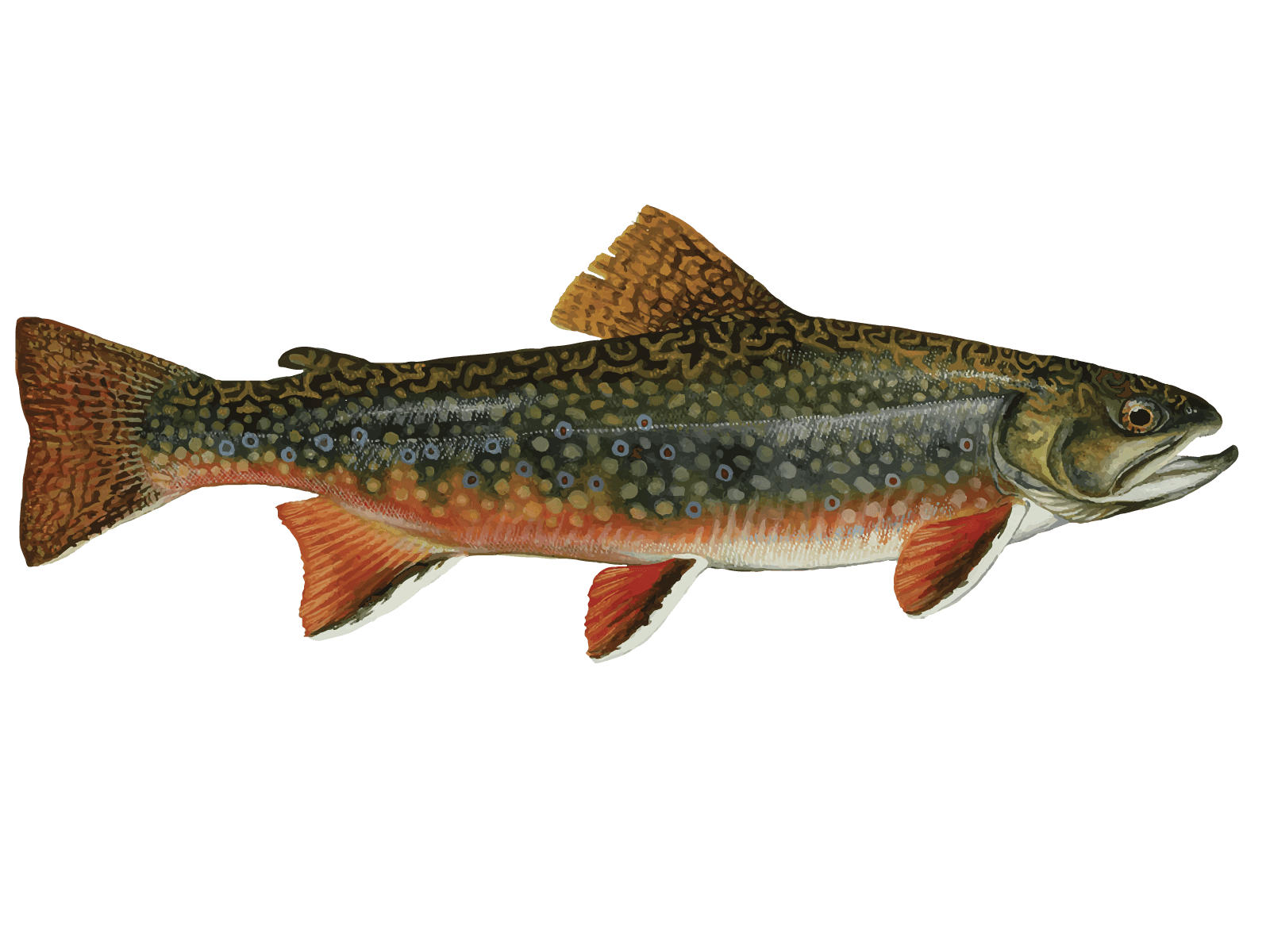
 Brook Trout
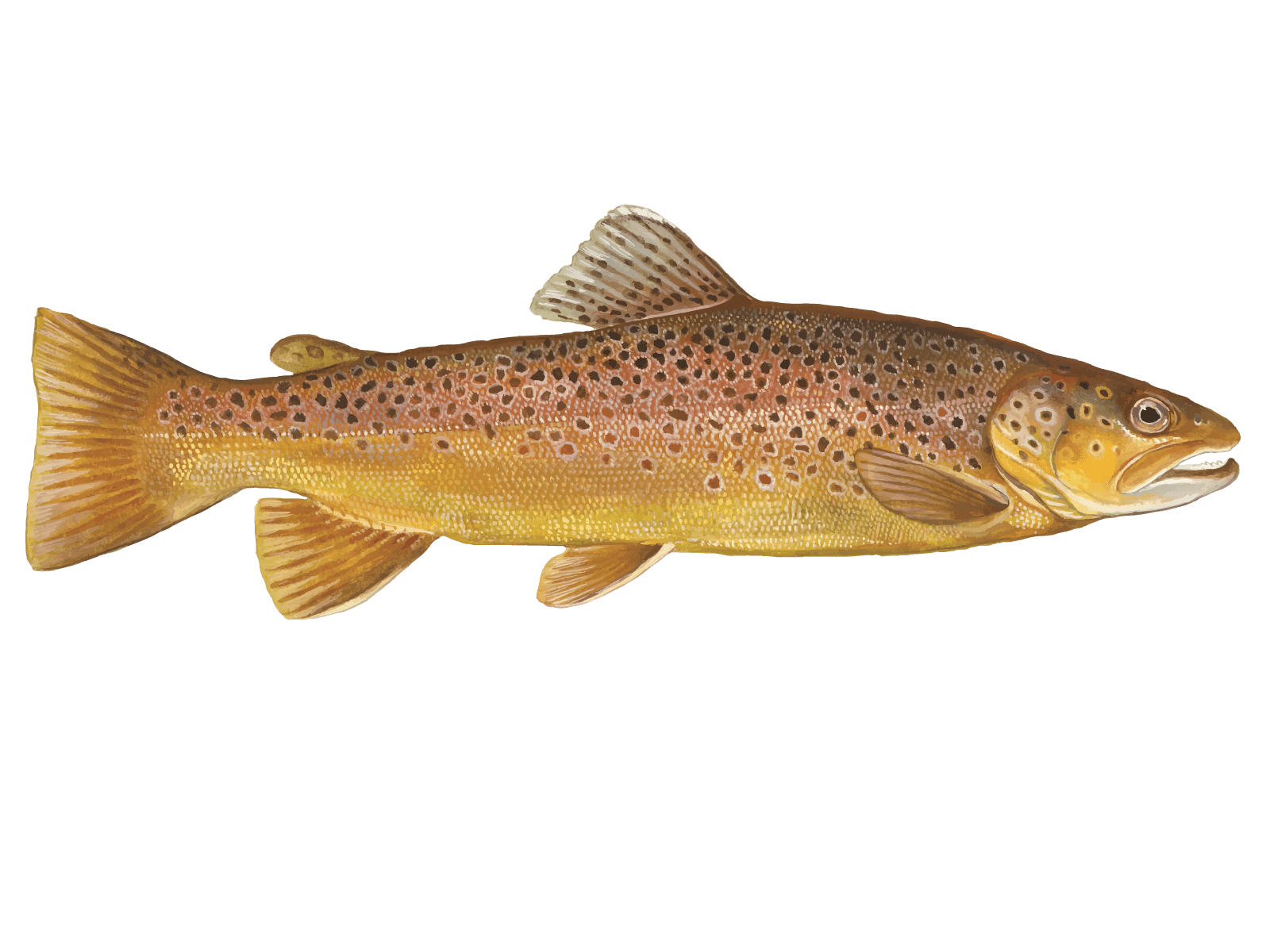
 Brown Trout
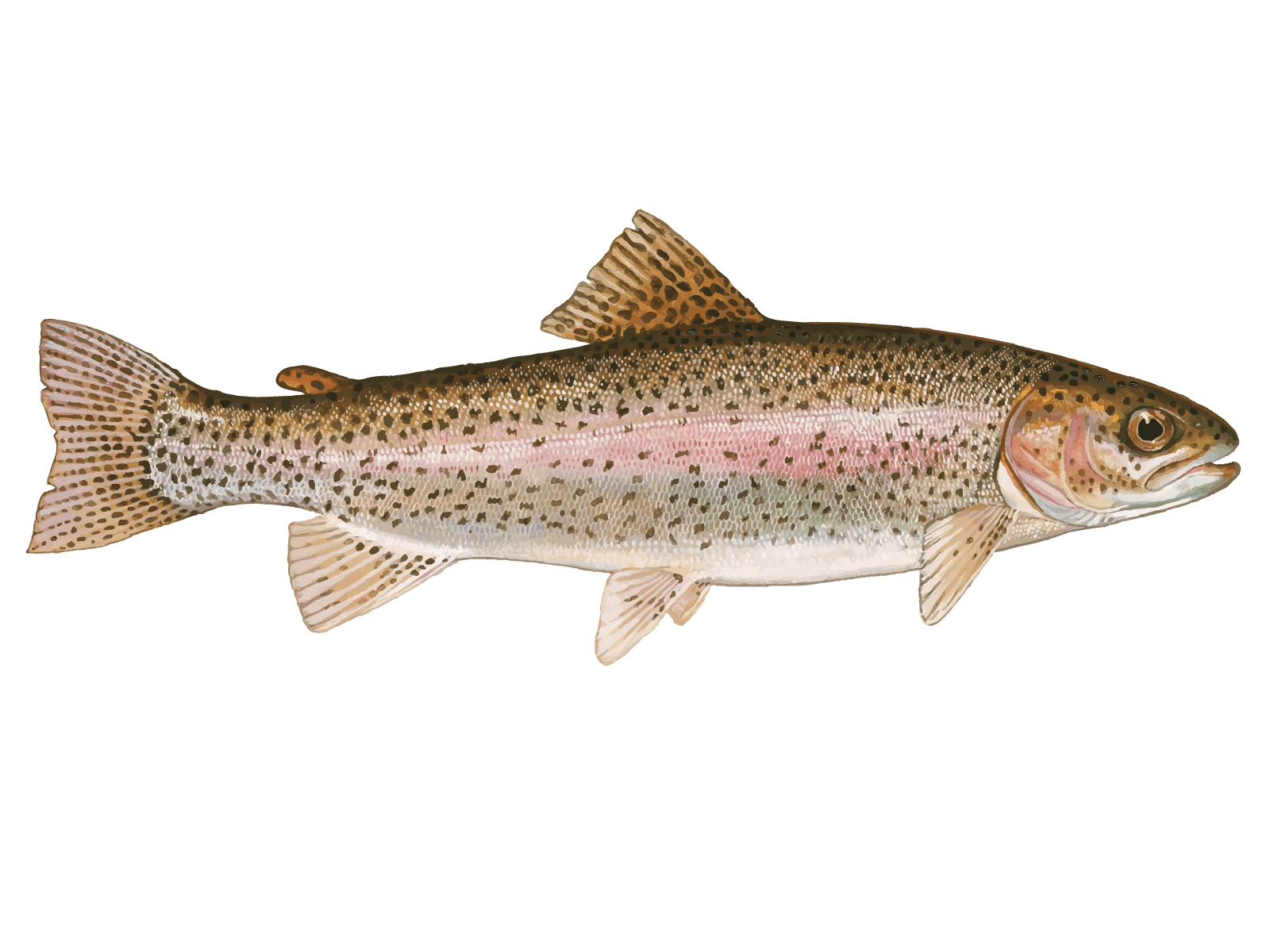
 Rainbow Trout
- 4-hour morning fly fishing trip targeting three trout species in North Georgia mountains
- Expert guide instruction in casting techniques and water reading for all skill levels
- Early 6:30 AM departure from Hiawassee or Clarkesville for optimal fishing conditions
Trip Pricing and Availabilities:
Half Day Trout Fly Fishing in Cornelia, GA
If you're looking for a proper fly fishing experience in North Georgia's pristine mountain waters, Captain Matt Dorsey's got you covered. This half-day adventure puts you right in the heart of some of the region's best trout streams, where crystal-clear water runs over granite boulders and native trout rise to well-presented flies. Starting at 6:30 AM, you'll spend four solid hours working these productive waters with a guide who knows every pool, riffle, and undercut bank where trout like to hold. Whether you're picking up a fly rod for the first time or you've been casting for years, Matt tailors the experience to match your skill level while keeping things relaxed and enjoyable.
What to Expect on the Water
Your morning starts early with a meetup at either Georgia Mountain Fair in Hiawassee or Batesville General Store in Clarkesville, depending on which waters are fishing best that day. Matt's been guiding these streams for years and knows how to read conditions – water levels, insect activity, weather patterns – to put you on fish. The streams around Cornelia offer that classic North Georgia fly fishing experience: pocket water, small pools, and runs where trout tuck in close to structure. You'll be wade fishing in gin-clear mountain water that rarely gets above your knees, making it perfect for learning proper presentation and reading water. The scenery's pretty spectacular too, with hardwood forests coming right down to the water's edge and those classic Appalachian mountain views stretching out in the distance. Matt keeps things moving at a comfortable pace, working through different sections of water and adjusting tactics based on what the fish are telling you that morning.
Fly Fishing Techniques & Gear
Matt provides all the gear you'll need, from properly balanced fly rods to a selection of proven local patterns. These North Georgia streams call for specific techniques – short, accurate casts, proper line control, and the ability to read small water where trout have limited feeding windows. You'll work on basic casting mechanics if you're new to the sport, focusing on accuracy over distance since most of your targets will be within thirty feet. More experienced anglers can refine their approach, learning how to present nymphs in pocket water, work dry flies through conflicting currents, and identify the subtle takes that characterize mountain stream fishing. The gear setup is straightforward: light tackle that matches the intimate scale of these waters. Matt's got patterns tied specifically for local conditions – terrestrials, attractor dries, and nymphs that match the aquatic insects these trout feed on year-round. He'll explain when and why to use different flies, how to adjust your drift based on water conditions, and the importance of stealth when approaching spooky mountain trout.
Top Catches This Season
Brook trout are the real gems of these North Georgia waters – our only native trout species and absolutely gorgeous fish with their olive backs, red spots, and white-edged fins. They're typically smaller than their cousins, running six to ten inches, but they make up for size with beauty and the fact that finding them means you're fishing truly wild water. Brooks prefer the cooler, higher elevation streams and they're most active during the cooler months from fall through early spring. What makes them special is their willingness to hit dry flies and their preference for the most pristine water conditions. When you hook into a native brook trout, you're connecting with something that's been in these mountains since before European settlement.
Brown trout bring a different challenge altogether – they're the smartest fish in the stream and the most likely to test your skills. These European imports have adapted perfectly to North Georgia conditions and can grow significantly larger than brooks, with fish in the twelve to sixteen inch range being common in the better pools. Browns are notorious for their wariness, especially the bigger ones that have seen plenty of flies over the years. They're most active during low-light conditions, making those early morning hours perfect for targeting them. What gets anglers excited about browns is their explosive strikes and their tendency to use every piece of structure in the water to try to break you off. They're also more likely to hit streamers and larger nymphs, giving you opportunities to fish different techniques.
Rainbow trout round out the mix and they're often the most cooperative fish you'll encounter, especially for beginners. Stocked rainbows adapt quickly to wild conditions and provide consistent action throughout the morning. They'll hit a variety of flies and fight hard once hooked, making long runs and jumping when they feel the pressure. Rainbows in these streams typically run eight to fourteen inches, with some bigger holdover fish that have survived multiple seasons. They're less picky about presentation than browns but still require good technique in the clear water conditions. What makes rainbows great for learning is their willingness to eat and their forgiving nature when your drift isn't perfect.
Time to Book Your Spot
This half-day trip gives you everything you need for a world-class fly fishing experience without eating up your entire day. Matt's approach focuses on actual fishing time rather than long drives between spots, and his local knowledge means you're working productive water from the moment you step in the stream. The one-on-one format ensures you get personalized instruction and the flexibility to focus on whatever aspect of fly fishing interests you most. Whether you're looking to learn the basics, improve your technique, or just enjoy a peaceful morning on some beautiful water, this trip delivers. North Georgia's trout streams are at their best during the cooler months, but there's good fishing to be had year-round for those who know where to look. Book your spot with Captain Matt and discover why fly fishing these mountain streams keeps anglers coming back season after season.
Learn more about the species
Brook Trout
Brook trout are Georgia's native gems, usually running 8-12 inches in our mountain streams. They love cold, clean water below 68°F and hang out in small pools near fallen logs and undercut banks. These beauties have olive backs with yellow spots and distinctive red spots ringed in blue - you can't miss them. Spring through early summer is prime time when water temps are perfect. Guests love targeting brookies because they're scrappy fighters and absolutely gorgeous fish. Plus, they're great eating if you decide to keep a few. Here's a local trick: look for the deepest part of small pools and drift a small dry fly or nymph right through the middle. They often sit at the bottom waiting for food to come to them.
Brown Trout
Brown trout are the smart ones - they grow bigger than most trout around here, often hitting 12-18 inches with some pushing over 20. They prefer deeper pools and undercut banks during the day, getting spooky in bright sunlight. Fall is when they really turn on, feeding aggressively before winter. These fish are known for their golden-brown color with black spots and that signature orange adipose fin. Anglers love browns because they fight hard and are incredibly wary - landing one feels like a real accomplishment. They also make excellent table fare with firm, flaky meat. Pro tip: fish for them at dawn or dusk when they're most active, and try working streamers or nymphs near structure. They love crawfish patterns in our Georgia streams.
Rainbow Trout
Rainbows are the acrobats of our streams, typically running 10-16 inches and known for their aerial displays when hooked. They prefer moving water with good oxygen flow and gravelly bottoms. You'll find them in riffles, pool tailouts, and anywhere current brings food. Spring and fall are peak seasons, but they bite year-round when water temps stay cool. That pink stripe along their silver sides makes them easy to identify. Guests love rainbows because they jump like crazy and fight all the way to the net - pure excitement on light tackle. They're also excellent eating with that mild, sweet flavor. Best tip I can share: focus on water 2-4 feet deep with moderate current. Dead-drift nymphs or swing wet flies through likely spots and be ready for that sudden strike.
About the Sea Pro (Center console)
%2F%2Fusers%2Fea8f1358-de4d-4869-89ff-a604762fd7b0%2Fvehicle_picture%2Fseaprocenterconsole.jpg&w=1920&q=75)
Vehicle Guest Capacity: 8
Manufacturer Name: Mercury
Maximum Cruising Speed: 55
Number of Engines: 1
Horsepower per Engine: 200